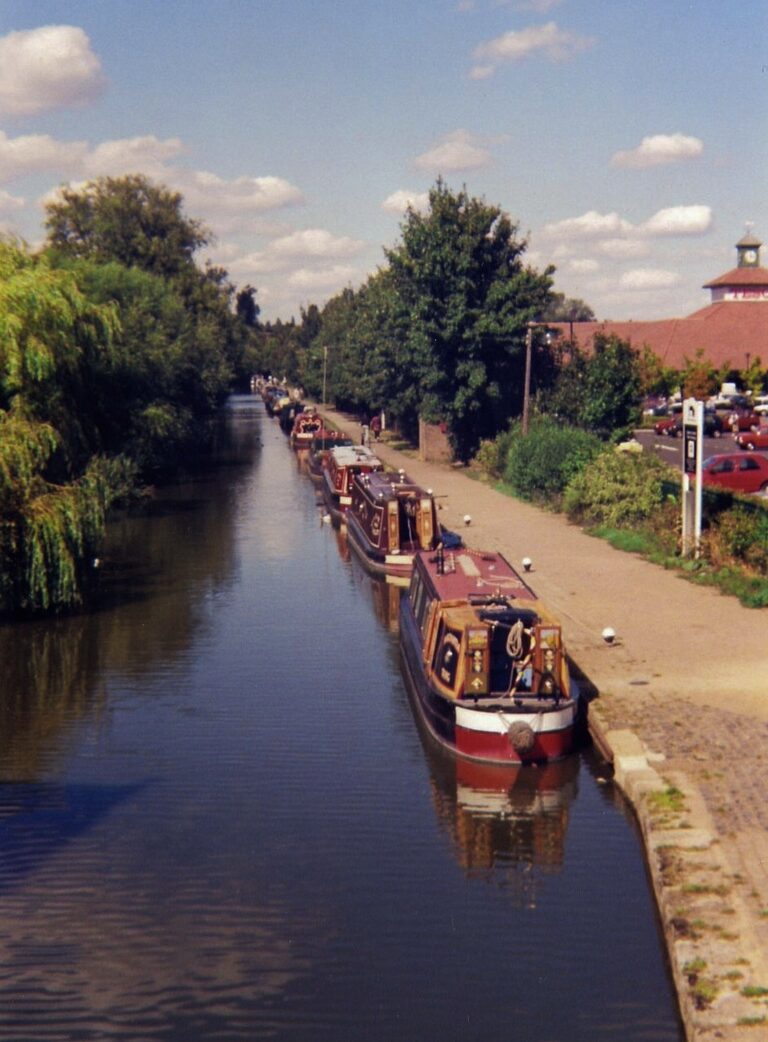
Narrowboat Terminology for Beginners
If you are new to the canals, the language can feel like a world of its own. People talk about winding, paddles, pounds, tillers, weed hatches and cills as if everyone was born knowing what they mean.
This guide to narrowboat terminology for beginners explains the most useful words in plain English. It is designed to help you feel more confident whether you are hiring a boat for the first time, viewing a narrowboat to buy, or simply trying to understand life on the cut.
Basic Narrowboat Words
Let us start with the terms you will hear most often when people describe the boat itself.
- Narrowboat: A long, narrow canal boat designed for the inland waterways. Many are around 6 feet 10 inches wide so they can fit through narrow locks.
- Canal boat: A general term for boats used on canals. A narrowboat is a type of canal boat.
- Liveaboard: Someone who lives on a boat as their main home.
- Hire boat: A boat rented for a holiday or short break.
- Private boat: A boat owned for personal use, rather than as part of a hire fleet.
You may also hear people say the cut. This is an affectionate old term for the canal. If someone says they are living on the cut, they mean they are living on or around the canal network.
Parts of a Narrowboat
Knowing the main parts of the boat makes instructions much easier to follow, especially during mooring, locking and cruising.
Bow
The bow is the front of the boat. On many narrowboats, the bow has a small outdoor seating area known as the well deck. When someone says the bow line, they mean the rope at the front.
Stern
The stern is the back of the boat. This is usually where the person steering stands. The stern also gives you access to the engine space on many boats.
Port and starboard
Port means the left-hand side of the boat when you are facing forwards. Starboard means the right-hand side when facing forwards.
A simple way to remember it is that port and left both have four letters.
Tiller
The tiller is the steering arm at the stern. Unlike a car steering wheel, you move the tiller in the opposite direction to the way you want the bow to go. Push the tiller left and the bow moves right. Push it right and the bow moves left.
This can feel odd at first, so take your time and make gentle movements. Oversteering is one of the most common beginner mistakes.
Rudder
The rudder is the flat metal blade in the water at the back of the boat. The tiller moves the rudder, and the rudder directs the flow of water to steer the boat.
Cabin
The cabin is the enclosed living area of the narrowboat. It may include the galley, saloon, bedroom and bathroom.
Galley
The galley is the boat kitchen. It might contain a cooker, sink, fridge, cupboards and worktop space. Storage is usually more limited than in a house, so tidy habits help.
Saloon
The saloon is the main sitting or living area. Some boats have fixed seating, while others have freestanding chairs or a sofa bed.
Heads
Heads is a traditional boating term for the toilet or bathroom. Many narrowboaters simply say bathroom, shower room or loo, but heads is still a useful word to know.
Stern Types Explained
Narrowboats are often described by their stern style. This affects outdoor space, engine access and how sociable the steering area feels.
Traditional stern
A traditional stern, often called a trad stern, has a small rear deck. It gives more internal cabin space and is popular with many liveaboards. The steerer usually stands in the hatchway, partly sheltered by the cabin.
Semi-traditional stern
A semi-traditional stern, or semi-trad, looks similar to a traditional boat from the outside but has a larger rear deck space with side panels. It can be a good compromise between shelter and social space.
Cruiser stern
A cruiser stern has a larger open rear deck. It is popular on hire boats because several people can stand together at the back. It is sociable, but it can offer less internal cabin length.
Common Cruising Terms
When you begin moving a narrowboat, a few key phrases will quickly become familiar.
- Cruising: Travelling by boat along the canal or river.
- Tickover: The slowest engine speed while still in gear. Use tickover when passing moored boats.
- Wash: The waves created by your boat. Too much wash can disturb moored boats, wildlife and canal banks.
- Draft: The depth of the boat below the waterline. A deeper drafted boat may struggle in shallow canals.
- Air draft: The height of the boat above the waterline. This matters when passing under low bridges.
- Beam: The width of the boat.
- Length: The overall length of the boat, important for locks, moorings and licences.
A practical tip for beginners is to travel more slowly than you think you need to. Narrowboats are heavy, slow to stop and affected by wind, shallow water and passing boats.
Mooring Terminology
Mooring means tying the boat safely to the bank, a pontoon or a designated mooring point. These words are especially useful when you stop for lunch, overnight or for water.
- Mooring line: A rope used to tie the boat.
- Bow line: The rope at the front of the boat.
- Stern line: The rope at the back of the boat.
- Centre line: A rope usually fixed to the roof near the middle of the boat. It is useful for controlling the boat temporarily, but should not normally be used as the only overnight mooring rope.
- Bollard: A fixed post used for tying ropes.
- Ring: A metal mooring ring set into the bank or edge.
- Mooring pin: A metal stake hammered into the ground when no rings or bollards are available.
- Piling hook or chain: Equipment used to moor to metal canal bank piling.
Always make sure your ropes are not trip hazards on the towpath. If mooring with pins, knock them in firmly and make them visible. Many boaters place a bright cover, bag or marker over the top.
Lock Terminology for Beginners
Locks are one of the great features of canal travel, but they come with their own vocabulary. Understanding the words helps you operate them safely and calmly.
Lock
A lock is a chamber that raises or lowers boats between different water levels. It has gates at each end and paddles to let water in or out.
Lock gate
A lock gate is the large wooden or metal gate at either end of the lock. Gates hold the water in the chamber until the levels are equal and it is safe to open them.
Paddle
A paddle is a mechanism that controls water flow into or out of the lock. You raise and lower paddles using a windlass.
Windlass
A windlass is the L-shaped handle used to operate lock paddles. Keep a firm grip and never leave it unattended on the mechanism.
Cill
The cill is a ledge beneath the upper lock gate. It can be dangerous if the stern of the boat gets caught on it while the lock is emptying. Look for cill markers painted on the lock side and keep the boat forward of them when going downhill.
Pound
A pound is the stretch of water between two locks. You may hear boaters say a pound is low if the water level has dropped.
Practical lock advice for beginners is simple: take it slowly, communicate clearly and never rush. If you are unsure, ask another boater or wait until you feel confident to proceed.
Turning and Navigation Terms
Canals are narrow, so turning around is not always possible wherever you fancy. These terms help you understand route planning.
- Winding: Pronounced like win-ding, not wine-ding. It means turning a boat around.
- Winding hole: A wider section of canal where boats can turn.
- Bridge hole: The narrow channel under a bridge. Slow down and check for oncoming boats.
- Towpath: The path beside the canal, originally used by horses towing boats.
- Offside: The side of the canal opposite the towpath.
- Junction: Where two waterways meet.
- Arm: A short branch of canal leading away from the main line.
Before setting off, check where the next winding hole is, especially if you are on a tight schedule or hiring a boat that must be returned by a certain time.
Water, Waste and Power Terms
Boat life involves managing water, waste, gas and electricity. These practical terms are worth learning early.
Water point
A water point is a place where you can fill your fresh water tank. Carry a suitable hose and avoid letting the end touch the ground or fall into the canal.
Elsan point
An Elsan point is a disposal facility for cassette toilet waste. Always use the correct disposal point and rinse equipment responsibly.
Pump-out
A pump-out system stores toilet waste in a tank, which is emptied using a pump-out machine at a marina, boatyard or service point.
Bilge
The bilge is the lowest internal part of the boat, where water may collect. Engine bilges and cabin bilges should be checked as part of regular maintenance.
Inverter
An inverter converts battery power into mains-style electricity for certain appliances. It is useful, but it can drain batteries quickly if used carelessly.
Shore power
Shore power means plugging the boat into a mains electrical supply, usually at a marina or serviced mooring.
Beginners often underestimate how important power management is. Switch off items you are not using, understand what your batteries can support and learn how your boat heats water and charges batteries.
Engine and Maintenance Terms
You do not need to be a mechanic to enjoy narrowboating, but a basic vocabulary helps when checking the boat or speaking to an engineer.
- Engine bay: The compartment where the engine is housed.
- Weed hatch: An access hatch above the propeller, used for clearing rope, weed or debris. Always turn the engine off and remove the key before opening it.
- Propeller: Often shortened to prop. It spins to move the boat through the water.
- Stern gland: A seal where the propeller shaft exits the boat. It helps prevent water entering.
- Blacking: Protective coating applied to the hull below the waterline.
- Hull: The main body or shell of the boat.
- Anodes: Metal blocks fitted to the hull to help reduce corrosion.
If you are buying a boat, you will also hear the term survey. A survey is an inspection by a qualified surveyor, often including checks on the hull thickness, safety and general condition.
Canal Etiquette Phrases
Canal life is more enjoyable when everyone is considerate. Some common phrases are really about good manners.
- Slow past moored boats: Reduce speed so your wash does not pull at ropes or rock boats heavily.
- Leave gates as instructed: Some locks have signs telling you whether to leave gates open or closed.
- Share locks where possible: If two narrowboats can fit, sharing saves water and time.
- Do not run engines late: Be considerate with engine and generator noise, especially near other boats and homes.
- Keep the towpath clear: Do not block access with ropes, chairs, bikes or equipment.
A friendly wave, a thank you and a willingness to help go a long way on the waterways.
Frequently Asked Questions
What is the most important narrowboat terminology for beginners?
Start with bow, stern, port, starboard, tiller, lock, paddle, windlass, mooring line and water point. These words come up constantly when steering, stopping and using canal facilities.
Why is turning a narrowboat called winding?
Winding is an old boating term for turning a boat around. It is usually done at a winding hole, which is a wider area of canal designed to give enough space for the manoeuvre.
What does cill mean in a lock?
The cill is a ledge under the upper lock gate. When descending in a lock, keep the stern away from the cill and watch the painted cill markers on the lock wall.
Is port left or right on a narrowboat?
Port is the left-hand side when you are facing the front of the boat. Starboard is the right-hand side. Remember that port and left both have four letters.
What should beginners say when asking for help at a lock?
Keep it simple and polite. You could say, I am new to this lock, would you mind checking I am doing it correctly? Most experienced boaters are happy to offer calm guidance.
Getting Comfortable with Canal Language
You do not need to learn every canal term before your first trip. The best approach is to learn the essentials, keep asking questions and build confidence as you go.
Many narrowboat words make sense once you have seen them in action. A windlass is clearer when it is in your hand. A winding hole is obvious once you have turned in one. The tiller becomes natural after a little gentle practice.
Keep this beginner vocabulary in mind, take your time and enjoy the slower rhythm of the waterways. Understanding the language is part of becoming more relaxed, capable and at home on the canals.