

How to Change a Narrowboat Name: A Step-by-Step Guide
Changing the name of a narrowboat can be an exciting and personal experience for boat owners. Whether you have just purchased a second-hand boat or simply want to give your current boat a new identity, changing the name of your narrowboat is a relatively simple process. However, there are a few important steps to follow to ensure that the process is done correctly.
Firstly, it is important to check if the new name you have chosen for your narrowboat has already been registered with the British Waterways. If the name has already been taken, you will need to choose another name. If the name is available, you will need to fill out a registration form and submit it to the British Waterways. The registration form will require you to provide details such as the old boat name, the new boat name, and your contact information.
Once the registration process is complete, you will need to remove the old boat name and replace it with the new one. This can be done by either painting the new name onto the boat or by purchasing vinyl lettering. It is important to ensure that the new name is clearly visible and meets the size requirements set out by the British Waterways. By following these steps, you can change the name of your narrowboat and give it a new lease of life.
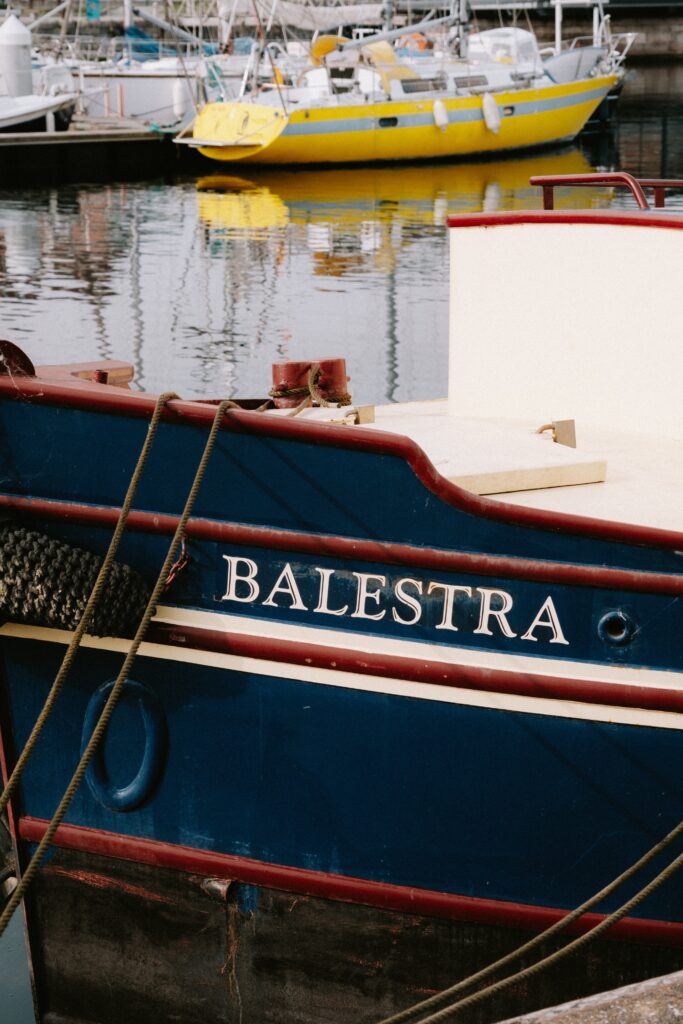
Reasons for Changing a Narrowboat Name
Changing the name of a narrowboat is a common practice among boat owners. There are several reasons why someone might choose to change the name of their narrowboat. In this section, we will explore some of the most common reasons for renaming a narrowboat.
Superstitions
One of the most common reasons for changing a boat name is superstition. According to maritime tradition, renaming a boat is bad luck unless the proper ceremony is performed. This ceremony involves purging the old name from the Ledger of the Deep and offering a sacrifice to Poseidon, the god of the sea. Failure to perform this ceremony could result in bad luck for the boat and its crew.
Superstitions surrounding boat names date back to ancient times. It was believed that boats had souls and that changing their name could anger the gods of the sea. Some superstitions even dictate that the new name must contain the same number of letters as the original name, or that the new name must be a pun on the old name.
Despite the superstitions surrounding boat names, many boat owners choose to rename their boats without performing the proper ceremony. Some believe that as long as the new name is chosen carefully and with respect to the boat’s history, it will bring good luck and fair winds.
In conclusion, superstitions are a common reason for changing a narrowboat name. Whether you choose to perform the renaming ceremony or not, it is important to choose a name that is respectful of the boat’s history and that brings good luck to its crew.
Legal Requirements for Changing a Narrowboat Name
When it comes to changing the name of a narrowboat, there are certain legal requirements that need to be followed. These requirements vary depending on the country and region where the boat is registered. In this section, we will cover the legal requirements for changing a narrowboat name in the UK and the US.
UK Requirements
In the UK, the process of changing a narrowboat name is relatively straightforward. However, there are a few steps that need to be followed to ensure that the new name is legally recognized. These steps include:
- Choosing a new name that is not already in use by another boat on the same waterway.
- Informing the relevant authorities, such as the Canal and River Trust, of the new name.
- Updating the boat’s registration documents with the new name.
USCG Requirements
In the US, the United States Coast Guard (USCG) is responsible for regulating the naming of boats. According to USCG regulations, a boat’s name must meet the following criteria:
- The name must be displayed on the boat in letters that are at least 4 inches tall and in a contrasting color to the boat’s hull.
- The name cannot be obscene or offensive.
- The name cannot exceed 33 characters in length.
- If the boat has previously been documented with the USCG, the owner must submit a request to change the name and pay a fee.
It is important to note that the USCG has the authority to reject a boat name if it does not meet these criteria. Additionally, some states may have additional requirements for boat naming.
Overall, it is important to follow the legal requirements for changing a narrowboat name to avoid any issues with authorities or other boat owners. Whether you are changing the name for personal reasons or to reflect a new author, character, song, or nautical theme, it is always best to do so in a legal and respectful manner.
Steps to Change a Narrowboat Name
If you have recently bought a narrowboat and want to change its name, it’s important to do it properly. Here are the steps to follow:
Purging Ceremony
Before you can rename your narrowboat, you must first perform a purging ceremony to remove the old name. This is an important step to ensure that the old name is completely removed and the new name can take its place.
The purging ceremony involves removing all items on the boat that bear the old name, such as signs, flags, and clothing. You should also remove any written references to the old name, such as logbooks and maintenance records.
Once you have removed all items bearing the old name, you should perform a ceremony to officially purge the old name. This can be as simple or as elaborate as you like, but it should involve saying a few words to acknowledge the old name and to welcome the new name.
Renaming a Boat
Once you have completed the purging ceremony, you can proceed with renaming your narrowboat. Here are the steps to follow:
- Choose a new name for your boat. Make sure it’s a name that you love and that you won’t regret later.
- Register your new name with the relevant authorities. This will usually involve filling out a form and paying a fee.
- Update all documentation with the new name, such as insurance policies, registration documents, and logbooks.
- Have new signs and flags made with the new name. You can also update any clothing or merchandise with the new name.
- Hold a renaming ceremony to officially welcome the new name. This can be as simple or as elaborate as you like, but it should involve saying a few words to welcome the new name and to ask for safe travels.
Remember, renaming a boat is an important process that should be done properly. By following these steps, you can ensure that your narrowboat is properly renamed and ready for its next adventure on the water.
Conclusion
Changing a narrowboat name can be a daunting task, but with the right guidance and preparation, it can be accomplished smoothly. The process involves several steps, including checking the availability of the new name, removing the old name, and applying the new name.
Throughout the article, it has been emphasised that the boat’s name is an essential aspect of its identity, and changing it should not be taken lightly. It is recommended to choose a new name that aligns with the boat’s character and history.
The article has also highlighted the legal requirements for changing a narrowboat name, including obtaining a new registration certificate and displaying the new name correctly. It is crucial to follow these requirements to avoid any legal issues in the future.
In summary, changing a narrowboat name can be a straightforward process with the right preparation and attention to detail. By following the steps outlined in this article, boat owners can successfully change their boat’s name and ensure that it continues to bring them Fair Winds and Smooth Seas.

