Going Eco Green Best with a Narrowboat: Sustainable Living on Waterways

Narrowboats have been a popular choice for people looking for a unique way to live or travel. These boats are long and narrow, designed to navigate through the UK’s narrow canals. However, with the growing concern for the environment, many people are looking for ways to make their narrowboats more eco-friendly.
Going eco green with a narrowboat is not only a great way to reduce your environmental impact, but it can also save you money in the long run. There are many ways to make your narrowboat more sustainable, from using renewable energy sources to reducing waste and water usage. By making small changes, you can significantly reduce your carbon footprint and create a more eco-friendly lifestyle on the water.
Sustainable living on a narrowboat is not just about reducing your environmental impact; it’s also about living a simpler, more mindful life. By embracing a more sustainable lifestyle, you can learn to appreciate the beauty of nature and the importance of conservation. Whether you’re a seasoned boater or new to narrowboats, going eco-green is a great way to make a positive change for the environment and your quality of life.
Benefits of Going Eco Green with a Narrowboat
Reduced Carbon Footprint
One of the main benefits of going eco green with a narrowboat is the reduced carbon footprint. Narrowboats are powered by diesel engines, which emit less carbon dioxide than cars per passenger kilometre. Additionally, narrowboats have a much lower speed limit on waterways than cars on roads, which means less fuel is used and less carbon dioxide is emitted.
Lower Water Usage
Another benefit of going eco green with a narrowboat is the lower water usage. Narrowboat owners can install a water meter to monitor their water usage and reduce unnecessary water usage. Additionally, narrowboats have smaller water tanks than houses, which encourages water conservation.
Use of Solar Power
Narrowboat owners can also use solar power to reduce their carbon footprint and lower their electricity bills. Solar panels can be installed on the roof of the narrowboat to generate electricity for lights, appliances, and other electronics. This reduces the need for a generator, which emits carbon dioxide and other harmful chemicals.
Reduced Use of Harmful Chemicals
Finally, going eco green with a narrowboat can reduce the use of harmful chemicals. Narrowboat owners can use eco-friendly cleaning products to avoid polluting the waterways with harmful chemicals. Additionally, narrowboats have holding tanks for sewage, which means that waste can be disposed of in a more environmentally friendly way than in the case of land-based toilets.
In summary, going eco green with a narrowboat has several benefits, including reduced carbon footprint, lower water usage, use of solar power, and reduced use of harmful chemicals. Narrowboat owners can take advantage of these benefits by installing solar panels, using water meters, and using eco-friendly cleaning products.
Making Your Narrowboat More Environmentally Conscious
Heating and Hot Water
When it comes to heating and hot water, there are a few simple steps that can be taken to make your narrowboat more environmentally conscious. Firstly, consider using hot water bottles to keep warm at night instead of leaving the heating on. This will save energy and reduce your carbon footprint. Secondly, make sure your heating and hot water systems are running efficiently by having them serviced regularly. This will not only save you money in the long run, but it will also help to reduce your energy consumption.
Insulation and Maintenance
Insulation is key to keeping your narrowboat warm in the winter and cool in the summer. By ensuring that your boat is properly insulated, you can reduce the amount of energy required to heat and cool it. Make sure that your windows and doors are properly sealed to prevent draughts, and consider adding extra insulation to your walls and roof. Regular maintenance is also important to ensure that your boat is running efficiently. This includes checking for leaks, cleaning your filters, and ensuring that your engine is in good working order.
Power Sources
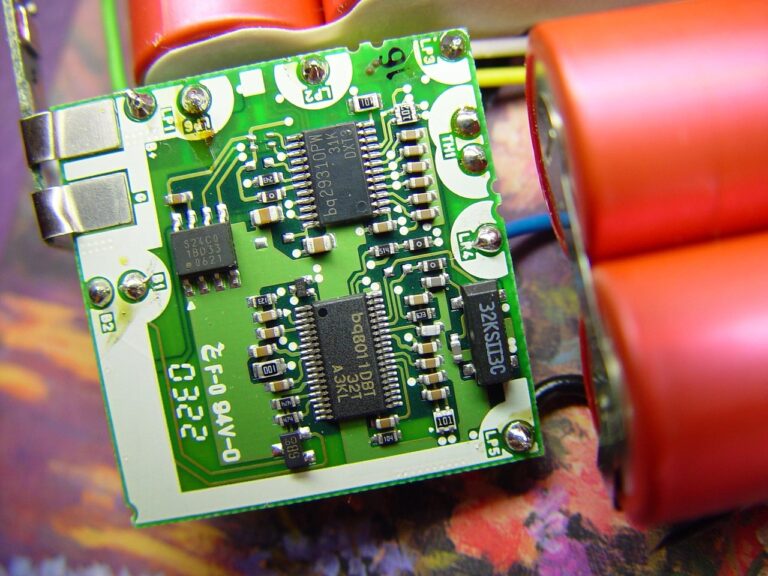
There are several eco-friendly power sources that can be used on a narrowboat. Solar panels are a great option for generating electricity, and can be used to power everything from lighting to appliances. LG batteries and inverters can also be used to store and convert electricity, while generators can be used as a backup power source. When choosing a power source, it’s important to consider your energy needs and the size of your narrowboat. By using eco-friendly power sources, you can reduce your reliance on fossil fuels and help to protect the environment.
In conclusion, there are many ways to make your narrowboat more environmentally conscious. By focusing on heating and hot water, insulation and maintenance, and power sources, you can reduce your carbon footprint and help to protect the planet. With a little effort and investment, you can create an eco-friendly home on the water that is both comfortable and sustainable.
Navigating the Waterways
Navigating the waterways is a crucial part of living aboard a narrowboat. It is essential to know how to navigate the waterways safely and efficiently. This section will cover the most important aspects of navigating the waterways, including mooring spots and marinas, locks, and inland waterways.
Mooring Spots and Marinas
Mooring spots and marinas are essential for narrowboat owners. Mooring spots are places where boats can be tied up for the night or for a few days. Marinas, on the other hand, are more permanent mooring spots where boats can be kept for longer periods.
When looking for a mooring spot or marina, it is important to consider the location, facilities, and cost. Some mooring spots and marinas may have limited facilities, while others may offer a full range of services, including electricity, water, and waste disposal.
Locks
Locks are an essential part of navigating the waterways. They are used to raise or lower boats between different levels of water. Locks can be operated manually or electronically, depending on the location.
When approaching a lock, it is important to follow the instructions of the lock keeper. The lock keeper will advise on the best way to enter and exit the lock safely. It is also important to be patient and wait for other boats to pass through the lock before entering.
Inland Waterways
Inland waterways are the network of rivers and canals that make up the UK’s waterway system. They provide a unique and beautiful way to travel around the country.
When navigating inland waterways, it is important to be aware of the speed limit, which is usually around 4 mph. It is also important to be aware of other boats and to give way to larger vessels.
Overall, navigating the waterways can be an enjoyable and rewarding experience for narrowboat owners. By following the rules and regulations of the waterways, and being considerate of other boats, it is possible to have a safe and enjoyable journey.
Environmental Impact and Responsibility
Pollution and Spills
Narrowboats can have a significant impact on the environment, especially when it comes to pollution and spills. Fuel leaks and spills can cause harm to the waterways, and the fumes from engines can contribute to air pollution. It is the responsibility of narrowboat owners to ensure that their vessels are well-maintained and that any spills are cleaned up promptly.
To minimise the risk of pollution and spills, narrowboat owners should:
- Regularly service their engines to prevent leaks and spills
- Use eco-friendly cleaning products that are safe for the environment
- Dispose of waste oil and other hazardous materials responsibly
- Install bilge pumps to prevent oil and fuel from entering the waterways
Litter and Damaging the Waterways
Litter is another significant issue that can have a damaging effect on the waterways. It is the responsibility of narrowboat owners to ensure that they dispose of their waste correctly and that they do not litter the waterways.
To minimise litter and damage to the waterways, narrowboat owners should:
- Dispose of waste responsibly and recycle where possible
- Use biodegradable products that will not harm the environment
- Avoid speeding and causing waves that can damage the banks and nearby wildlife
- Respect wildlife and their habitats by not disturbing them or feeding them
Overall, narrowboat owners have a responsibility to minimise their environmental impact and ensure that they are doing their part to protect the waterways and the environment. By taking the necessary precautions and being mindful of their actions, narrowboat owners can enjoy their vessels while also being environmentally responsible.
Costs and Insurance
Going eco green with a narrowboat can be a great way to reduce your carbon footprint and live a more sustainable lifestyle. However, it’s important to consider the costs and insurance implications before embarking on this journey.
Costs
The costs of going eco green with a narrowboat can vary depending on the type of modifications you make. Here are some of the common costs associated with eco-friendly narrowboat living:
- Solar panels: Installing solar panels on your narrowboat can cost anywhere from £1,000 to £10,000 depending on the size of your boat and the number of panels you need.
- Battery bank: A battery bank is used to store energy generated by your solar panels. The cost of a battery bank can range from £500 to £5,000 depending on the size and type of batteries you choose.
- Composting toilet: A composting toilet can cost between £500 and £1,500 depending on the type and model you choose.
- Water filtration system: A water filtration system can cost anywhere from £500 to £2,000 depending on the type and size of the system.
It’s important to budget for these costs before starting your eco-friendly narrowboat journey.
Insurance
When it comes to insurance, it’s important to make sure your narrowboat is properly covered. Here are some things to consider:
- Third-party liability insurance: This covers you in case you cause damage to someone else’s property or injure someone while operating your narrowboat.
- Contents insurance: This covers the contents of your narrowboat in case of theft, fire, or other damage.
- Hull insurance: This covers the cost of repairing or replacing your narrowboat in case of damage or loss.
It’s important to shop around for insurance policies that meet your needs and budget. Some insurance companies offer eco-friendly policies that may provide discounts for environmentally friendly modifications to your narrowboat.
In conclusion, while going eco green with a narrowboat can be a great way to live a more sustainable lifestyle, it’s important to consider the costs and insurance implications before embarking on this journey.
Government and Canal Trust Initiatives
Garden Villages and Pedestrians/Bikes
The UK government has been promoting the development of garden villages, which are designed to be sustainable communities with green spaces, cycle paths, and pedestrian-friendly streets. These villages are often located near waterways, making them an ideal location for narrowboat owners who want to live an eco-friendly lifestyle.
In addition to garden villages, the Canal and River Trust has been working to improve the infrastructure for cyclists and pedestrians along the canal towpaths. This initiative is aimed at encouraging more people to use the towpaths for commuting and leisure activities, reducing the environmental impact of cars and other vehicles.
Environmental Regulations and Policies
The UK government has implemented a number of environmental regulations and policies aimed at reducing the carbon footprint of the country. These policies include the Climate Change Act, which sets targets for reducing greenhouse gas emissions, and the Clean Air Act, which aims to reduce air pollution.
The Canal and River Trust also has its own environmental policies to ensure the waterways are protected. For example, the Trust has introduced a scheme to reduce the amount of plastic waste in the canals, and has implemented measures to reduce the amount of pollution from boats.
Overall, the government and Canal and River Trust initiatives are making it easier for narrowboat owners to live an eco-friendly lifestyle. With the development of garden villages and the improvement of infrastructure for cyclists and pedestrians, living on a narrowboat can be a sustainable and enjoyable way of life.