

The Most Challenging Narrowboat Routes in the UK: Expert Guide
Narrowboating is a popular way to explore the UK’s waterways, offering a unique perspective on the country’s stunning scenery. However, not all narrowboat routes are created equal, and some can be particularly challenging for even the most experienced of boaters. In this article, we will be taking a closer look at some of the most difficult narrowboat routes in the UK, exploring the reasons behind their difficulty and offering tips for those brave enough to take them on.
One of the most challenging narrowboat routes in the UK is the Llangollen Canal, which runs for 46 miles through the Welsh countryside. The canal features a number of locks, aqueducts and tunnels, including the famous Pontcysyllte Aqueduct, which stands at over 38 metres high and offers stunning views of the surrounding landscape. However, the narrow and winding nature of the canal, combined with the need to navigate through these structures, can make it a challenging route for even the most experienced of boaters.
Another challenging narrowboat route is the Kennet and Avon Canal, which runs for 87 miles through the heart of southern England. The canal features a number of locks, including the Caen Hill Flight, which consists of 29 locks over a distance of just two miles. The need to navigate through these locks, combined with the narrow and winding nature of the canal, can make it a challenging route for those who are not used to this type of boating.
Understanding the UK’s Canal Network
The UK’s canal network is a vast network of waterways that is managed by the Canal and River Trust. The network is made up of over 2,000 miles of canals and rivers, which are used for a variety of purposes, including leisure boating, commercial transport, and water supply.
The canals were originally built in the 18th and 19th centuries to transport goods and materials across the country, and many of the original features, such as locks and aqueducts, can still be seen today. The canals are now primarily used for leisure boating, and many people enjoy exploring the peaceful waterways and the beautiful countryside that surrounds them.
The Canal and River Trust is responsible for maintaining the canals and waterways, and ensuring that they are safe and accessible for everyone to use. The Trust also works to protect the natural environment of the canals, and to promote their use for recreation and tourism.
Navigating the canals can be challenging, especially on some of the narrower routes. It is important to have a good understanding of the waterways and to be prepared for the various obstacles that may be encountered, such as locks, swing bridges, and tunnels.
The Canal and River Trust provides a range of resources to help boaters navigate the canals safely, including maps, guides, and training courses. By following the guidelines and advice provided by the Trust, boaters can enjoy a safe and enjoyable journey along the UK’s canal network.
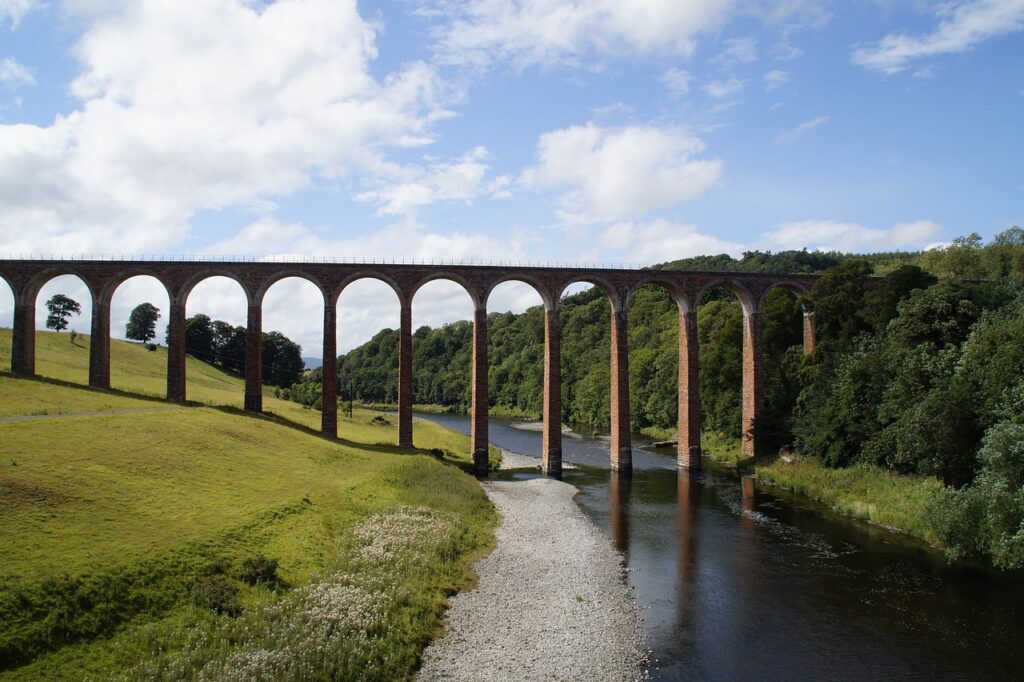
The Beauty of Countryside Narrowboating
Narrowboating in the UK offers a unique way to experience the country’s stunning countryside. Travelling along the canals and waterways, narrowboats provide a peaceful and relaxing way to take in the beautiful scenery, picturesque villages, and rural landscapes.
As you cruise along the canals, you’ll be surrounded by lush green fields, rolling hills, and tranquil waterways. The countryside is home to a variety of wildlife, including ducks, swans, herons, and kingfishers. You may even spot a deer or two along the way.
One of the joys of narrowboating is the opportunity to explore the UK’s rural areas at a leisurely pace. You can stop off at charming villages and market towns, where you’ll find traditional pubs, quaint tea rooms, and local shops selling handmade crafts and produce.
The scenery changes with the seasons, from the vibrant colours of autumn to the fresh greens of spring. Winter brings its own charm, with frosty mornings and misty waterways creating a peaceful and serene atmosphere.
Travelling by narrowboat also allows you to experience the UK’s rich history and heritage. You’ll pass through historic towns and cities, and see the remnants of the country’s industrial past, including old mills, warehouses, and factories.
In conclusion, the beauty of countryside narrowboating is undeniable. It offers a unique way to experience the UK’s stunning rural landscapes, picturesque villages, and rich history. Travelling at a leisurely pace, you’ll have the opportunity to truly appreciate the natural beauty of the country, while enjoying the peace and tranquillity of the waterways.
Challenging Canal Routes
The UK boasts a network of over 2,000 miles of navigable waterways, making it a paradise for narrowboat enthusiasts. While many of these routes are leisurely and easy-going, some can be challenging and require a bit more skill and experience to navigate. Here are some of the most challenging canal routes in the UK.
Oxford Canal
The Oxford Canal runs for 78 miles from Oxford to Coventry, passing through picturesque villages and historic towns along the way. However, the canal can be challenging due to its narrow width, tight bends, and low bridges. The canal is also known for its many locks, including the 21-lock flight at Hatton.
Llangollen Canal
The Llangollen Canal runs for 46 miles from Llangollen in Wales to Hurleston Junction in Cheshire. The canal is famous for its stunning scenery, including the Pontcysyllte Aqueduct, a UNESCO World Heritage Site. However, the canal can be challenging due to its narrow width, tight bends, and low bridges. The canal also features the famous staircase lock at Grindley Brook.
Shropshire Union Canal
The Shropshire Union Canal is a 66-mile canal that runs from Wolverhampton to Ellesmere Port. The canal is known for its stunning scenery and historic towns and villages, including Chester and Ellesmere. However, the canal can be challenging due to its narrow width, tight bends, and low bridges. The canal also features the famous staircase lock at Bunbury.
Kennet and Avon Canal
The Kennet and Avon Canal is a 87-mile canal that runs from Reading to Bristol. The canal is known for its stunning scenery, including the beautiful Bath and Bradford-on-Avon. However, the canal can be challenging due to its many locks and swing bridges. The canal also features the famous Caen Hill flight of locks.
Monmouthshire and Brecon Canal
The Monmouthshire and Brecon Canal is a 35-mile canal that runs from Brecon to Newport. The canal is known for its stunning scenery, including the Brecon Beacons National Park. However, the canal can be challenging due to its narrow width, tight bends, and low bridges.
Forth and Clyde Canal
The Forth and Clyde Canal is a 35-mile canal that runs from Glasgow to Falkirk. The canal is known for its stunning scenery, including the Falkirk Wheel, a rotating boat lift. However, the canal can be challenging due to its many locks and swing bridges.
Leeds and Liverpool Canal
The Leeds and Liverpool Canal is a 127-mile canal that runs from Leeds to Liverpool. The canal is known for its stunning scenery, including the beautiful Saltaire and Skipton. However, the canal can be challenging due to its many locks and swing bridges.
Aire and Calder Navigation
The Aire and Calder Navigation is a 33-mile canal that runs from Leeds to Goole. The canal is known for its stunning scenery, including the beautiful city of Leeds. However, the canal can be challenging due to its many locks and swing bridges.
Trent and Mersey Canal
The Trent and Mersey Canal is a 93-mile canal that runs from Derbyshire to Manchester. The canal is known for its stunning scenery, including the beautiful city of Stoke-on-Trent. However, the canal can be challenging due to its many locks and swing bridges.
Caldon Canal
The Caldon Canal is a 18-mile canal that runs from Stoke-on-Trent to Froghall. The canal is known for its stunning scenery, including the beautiful Churnet Valley. However, the canal can be challenging due to its narrow width, tight bends, and low bridges.
Bridgewater Canal
The Bridgewater Canal is a 39-mile canal that runs from Manchester to Runcorn. The canal is known for its stunning scenery, including the beautiful city of Manchester. However, the canal can be challenging due to its narrow width, tight bends, and low bridges.
Peak Forest Canal
The Peak Forest Canal is a 14-mile canal that runs from Ashton-under-Lyne to Whaley Bridge. The canal is known for its stunning scenery, including the beautiful Peak District National Park. However, the canal can be challenging due to its narrow width, tight bends, and low bridges.
Lancaster Canal
The Lancaster Canal is a 41-mile canal that runs from Preston to Tewitfield. The canal is known for its stunning scenery, including the beautiful city of Lancaster. However, the canal can be challenging due to its narrow width, tight bends, and low bridges.
Unique Canal Features
The UK’s canal network is home to some of the most unique and interesting canal features in the world. From towering aqueducts to narrow tunnels, there is no shortage of fascinating structures to explore. Here is a look at some of the most noteworthy canal features in the UK.
Tunnels and Locks
Tunnels and locks are two of the most challenging canal features to navigate. The Anderton Lift is a prime example of a lock that requires skill and experience to operate. Located in Cheshire, this impressive structure was built in 1875 and is still in use today. The Hawkesbury Junction is another noteworthy lock in the UK, known for its unique design and challenging navigation.
Tunnels are another feature of the UK’s canal network that require skill and experience to navigate. The Harecastle Tunnel, located in Staffordshire, is one of the most challenging tunnels in the UK. At 2,880 yards long, this tunnel is not for the faint of heart. The Standedge Tunnel is another noteworthy tunnel in the UK, known for its stunning views and challenging navigation.
Aqueducts
Aqueducts are another unique feature of the UK’s canal network. The Pontcysyllte Aqueduct, located in Wales, is one of the most impressive aqueducts in the world. Built in 1805, this structure spans 1,000 feet and rises 126 feet above the River Dee. The Falkirk Wheel is another impressive aqueduct in the UK, known for its unique design and engineering.
Bridges
Bridges are another feature of the UK’s canal network that are worth exploring. The Avoncliff Aqueduct, located in Wiltshire, is one of the most picturesque bridges in the UK. This structure spans the River Avon and offers stunning views of the surrounding countryside. The Claverton Pumping Station is another noteworthy bridge in the UK, known for its impressive architecture and engineering.
In conclusion, the UK’s canal network is home to some of the most unique and interesting canal features in the world. From tunnels and locks to aqueducts and bridges, there is no shortage of fascinating structures to explore. Whether you are a seasoned canal traveller or a newcomer to the world of narrowboats, the UK’s canal network is sure to impress.
Narrowboat Holidays
Narrowboat holidays are a popular way to explore the UK’s waterways. These boats, also known as canal boats or barges, offer a unique way to experience the country’s canals and rivers. They are perfect for families, couples, and solo travellers who want to enjoy a relaxing and peaceful holiday.
A canal boat holiday allows you to slow down and enjoy the journey. You can take in the beautiful scenery, stop at charming villages, and explore the local area at your own pace. It’s a great way to disconnect from the hustle and bustle of everyday life and reconnect with nature.
There are many different narrowboat routes to choose from in the UK, each with its own challenges and rewards. Some of the most challenging routes include the Llangollen Canal, the Grand Union Canal, and the Kennet and Avon Canal. These routes require a higher level of skill and experience, as they feature narrow locks, tight turns, and steep inclines.
However, there are also plenty of easier routes that are perfect for beginners or families with children. The Oxford Canal, for example, is a relatively easy route that takes you through some of the most picturesque countryside in England.
When planning a narrowboat holiday, it’s important to choose a route that suits your level of experience and interests. You should also consider the size of your group and the facilities you require on board. Many narrowboats come equipped with kitchens, bathrooms, and comfortable sleeping areas, making them a great option for families and groups of friends.
Overall, a narrowboat holiday is a great way to explore the UK’s waterways and experience the country from a unique perspective. Whether you’re a seasoned boater or a first-time sailor, there’s a narrowboat holiday out there for you.
Activities on the Canals
The UK’s narrowboat routes offer plenty of opportunities for leisure activities. Whether you’re looking to relax or get active, there’s something for everyone.
Pubs
One of the most popular activities on the canals is visiting the many pubs that line the waterways. These traditional establishments offer a chance to sample local beers and ciders, as well as hearty pub grub. Some of the best canal-side pubs include The Narrowboat Inn in Skipton, The Folly in Oxford, and The Cross Guns in Avoncliff.
Running and Walking
For those who enjoy exercise, the towpaths that run alongside the canals provide an ideal location for running and walking. The flat terrain and picturesque scenery make for a pleasant workout. The Kennet and Avon Canal is particularly popular with runners and walkers, with its 87-mile length offering plenty of opportunities for exploration.
Fishing
The canals are also a great place to go fishing. Many of the waterways are stocked with a variety of fish, including carp, bream, and pike. Anglers can purchase day or annual fishing permits from the Canal and River Trust. Some of the best spots for fishing include the Grand Union Canal and the Staffordshire and Worcestershire Canal.
Cycling
Cycling is another popular activity on the canals, with many towpaths suitable for bikes. The flat terrain and lack of traffic make for a relaxed and enjoyable ride. The 13-mile long Tame Valley Canal in the West Midlands is a particularly scenic route for cycling.
Exercise
For those looking for a more structured workout, there are plenty of opportunities for exercise on the canals. Many narrowboats have onboard gym equipment, while others offer yoga or pilates classes. The Canal and River Trust also offers a range of fitness events, including guided walks and cycle rides.
Overall, the canals offer a diverse range of activities for visitors to enjoy. Whether you’re looking for a relaxing pint in a traditional pub or an adrenaline-fuelled bike ride, the UK’s narrowboat routes have something to offer.
Historical and Cultural Highlights
The UK’s narrowboat routes are not just a means of transportation but also an opportunity to explore the country’s rich history and culture. Travelling through the canals, boaters can discover a variety of historical and cultural highlights.
One of the most prominent historical attractions is the medieval Warwick Castle. Built by William the Conqueror in 1068, the castle is a testament to the country’s turbulent past. Visitors can explore the castle’s towers and ramparts, visit the Great Hall and State Rooms, and even witness a jousting tournament.
Another must-see attraction is the Gas Street Basin in Birmingham. This historic canal basin was once the hub of the city’s canal network and played a vital role in the transportation of goods during the Industrial Revolution. Today, it is a popular destination for boaters and visitors alike, with a range of restaurants, bars, and shops.
For those interested in the history of the canals themselves, the National Waterways Museum in Ellesmere Port is a must-visit. The museum houses an impressive collection of boats, engines, and artefacts, and offers a glimpse into the lives of the people who worked on the canals.
The Black Country Living Museum in Dudley is another fascinating attraction that brings the region’s industrial past to life. Visitors can explore a recreated Victorian town, complete with shops, houses, and factories, and even take a ride on a vintage tram.
Overall, the UK’s narrowboat routes offer a unique opportunity to explore the country’s history and culture. From medieval castles to industrial museums, there is something for everyone along the canals of Britain.
The Canal Trusts
The Canal Trusts in the UK are responsible for the maintenance and preservation of the country’s canal network. They work tirelessly to ensure that the canals are safe and enjoyable for boaters and visitors alike. There are several Canal Trusts operating in the UK, each with their own unique responsibilities and areas of operation.
One of the most well-known Canal Trusts is the Canal & River Trust. This organisation is responsible for the maintenance and conservation of over 2,000 miles of waterways in England and Wales. They work closely with local communities to ensure that the canals are well-maintained and accessible to everyone.
Another Canal Trust that plays an important role in the UK’s canal network is the Scottish Canals. This organisation is responsible for the maintenance and management of over 130 miles of canals in Scotland. They work closely with local communities to ensure that the canals are safe and enjoyable for everyone.
When it comes to hiring a narrowboat for a challenging canal route, Anglo Welsh and Black Prince are two of the most popular companies. They offer a wide range of boats for hire, from small and cosy vessels to larger and more luxurious options. Both companies have a wealth of experience in the industry and are well-equipped to help customers navigate some of the UK’s most challenging canal routes.
Overall, the Canal Trusts in the UK play a vital role in ensuring that the country’s canal network is well-maintained and accessible to all. Whether you’re a seasoned boater or a first-time visitor, there’s no doubt that the Canal Trusts will continue to play an important role in the future of the UK’s canal network.
The Future of Narrowboating
The future of narrowboating in the UK is looking bright, with many advancements and changes on the horizon. Here are some of the key developments to keep an eye on:
Electric Narrowboats
As the world continues to move towards more sustainable forms of transportation, electric narrowboats are becoming more popular. These boats are powered by electric motors, which are much quieter and emit no harmful emissions. They are also cheaper to run than traditional diesel-powered boats, making them an attractive option for many narrowboat enthusiasts.
Technology
Advancements in technology are also changing the way people navigate and enjoy narrowboating. GPS systems are becoming more advanced, making it easier for boaters to navigate tricky routes. There are also apps available that provide information on everything from water levels to nearby attractions.
Changing Demographics
The demographics of narrowboat enthusiasts are also changing. While the traditional image of a narrowboater is a retired couple, more and more young people are getting involved in the hobby. This is partly due to the rise of digital nomads, who are able to work remotely and can live on their boats while travelling around the country.
Challenges
Despite these positive developments, there are still challenges facing the narrowboating industry. One of the biggest is the maintenance and upkeep of the country’s aging canal network. There are also concerns about the impact of increased boat traffic on the environment.
Overall, however, the future of narrowboating in the UK looks bright. With advancements in technology and a growing interest in sustainable forms of transportation, the industry is poised for continued growth and success.


