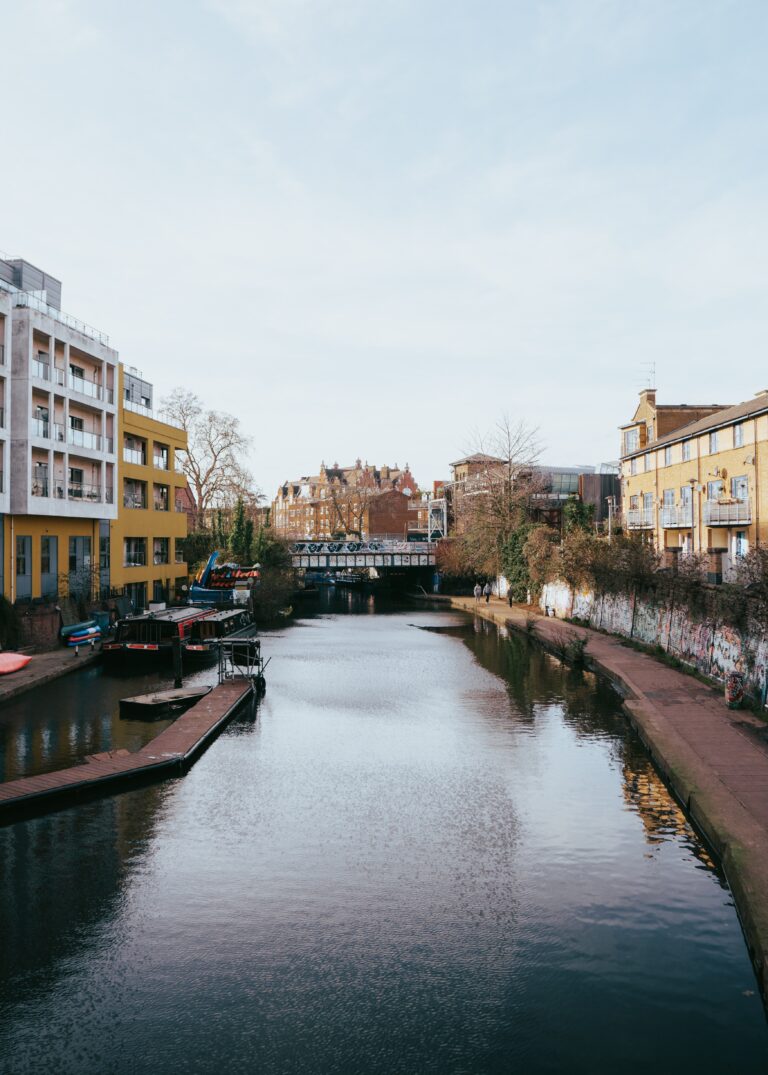
Grand Union Canal Guide
The Grand Union Canal is one of the great inland waterways of England, linking the bustle of London with the industrial heritage of the Midlands and the quieter countryside in between. For boaters, walkers and anyone planning a canal holiday, it offers a rich mix of broad locks, historic towns, village pubs, city moorings and long rural stretches.
This Grand Union Canal guide is designed to help you understand the route, plan sensible cruising days and make the most of the places you pass along the way. Whether you are hiring a narrowboat for a week or planning a longer liveaboard journey, a little preparation makes the canal far more enjoyable.
Where Does the Grand Union Canal Go?
The Grand Union Canal runs between London and Birmingham, with important branches and arms reaching places such as Paddington, Aylesbury, Leicester, Northampton, Wendover and Slough. It is a major part of the connected canal network, which makes it useful for both short breaks and extended cruising.
In London, many boaters know the Grand Union through the Paddington Arm and the route towards Little Venice. Heading north-west, the canal passes through areas including Uxbridge, Rickmansworth, Hemel Hempstead, Berkhamsted, Leighton Buzzard, Milton Keynes, Braunston, Warwick and Knowle before reaching Birmingham via the wider network.
Because the canal passes through so many different landscapes, the feel of the journey changes regularly. One day may involve lively urban moorings and shops close to the towpath. The next may bring open fields, wooded cuttings and quiet lock flights.
Why Cruise the Grand Union Canal?
The Grand Union is a favourite with many boaters because it offers variety. It is not just a rural escape or a city canal. It is both, with plenty in between.
Reasons to choose the Grand Union Canal include:
- Good connections to other canals and cruising rings.
- A mixture of broad and narrow sections, depending on the route.
- Historic market towns and useful shopping stops.
- Frequent services in many areas, especially on the main line.
- Strong railway links for crew changes and short trips.
- Interesting lock flights, aqueducts, tunnels and junctions.
It is also a practical choice for new and experienced boaters. Some sections are busy and require confidence, while others are calmer and better suited to slower cruising. Planning the right stretch for your experience level is key.
Key Sections of the Grand Union Canal
London and the Paddington Arm
The London end of the Grand Union is popular, lively and very different from rural canal cruising. The Paddington Arm leads towards Little Venice and Paddington Basin, with onward connections to the Regent’s Canal. Moorings can be in high demand, so do not rely on finding a perfect spot at the last minute.
For visitors, this section is excellent if you want museums, restaurants, transport links and city attractions close by. For boaters, it requires patience, awareness and a considerate approach to mooring, noise and water use.
Uxbridge to Rickmansworth
North-west of London, the canal gradually becomes greener. Uxbridge is useful for supplies, boatyards and services, while Rickmansworth offers pleasant moorings, parks and easy access to the town centre.
This stretch is a good introduction to the Grand Union if you want a mix of urban convenience and more relaxed scenery. It can still be busy, particularly in good weather, so allow time at locks and bridge holes.
Hemel Hempstead and Berkhamsted
As the canal moves through Hertfordshire, it passes practical towns with shops, pubs and railway stations nearby. Berkhamsted is especially popular with boaters thanks to its central moorings and attractive high street.
The locks in this area help make the journey interesting without feeling overwhelming if you plan your days sensibly. It is a useful section for hirers who want regular stopping points and a good balance of facilities and scenery.
Tring Summit and the Chilterns
The canal climbs towards the Tring summit, passing through a landscape shaped by reservoirs, cuttings and woodland. The nearby Wendover Arm is a peaceful diversion, although navigation availability can vary, so check current information before planning to cruise it.
This is a lovely area for walking as well as boating. Towpath users should be prepared for muddy sections in wet weather, while boaters should keep an eye on water levels and local notices, especially during dry periods.
Leighton Buzzard to Milton Keynes
Leighton Buzzard is a handy stop for shopping and services before the canal heads towards more open cruising and the long, gently curving route through Milton Keynes. This part of the canal is often easier going, with fewer dramatic climbs than some other sections.
Milton Keynes may surprise first-time visitors. The canal is often screened by greenery, and there are good access points, parks, pubs and supermarkets within reach. It is also a practical place for meeting guests or arranging deliveries.
Braunston and the Wider Network
Braunston is one of the great canal villages, known for its junction, boatyards and strong boating heritage. From here, routes connect towards the Oxford Canal and onward cruising options across the Midlands.
Expect it to be busy in peak season. Take your time, communicate clearly with other boaters and enjoy the atmosphere. If you need chandlery items, fuel or advice, Braunston is often a useful place to stop.
Warwick, Hatton and Knowle
The Warwick area includes one of the most memorable lock experiences on the Grand Union. Hatton Locks are a substantial flight and should be approached with enough time, energy and drinking water. Sharing locks with another boat can make the work easier and more sociable.
Further towards Birmingham, Knowle Locks are another notable feature. These broad locks require care, especially when working them with a small crew. Keep ropes tidy, open paddles gradually and avoid rushing.
Locks on the Grand Union Canal
Many locks on the main Grand Union are broad, meaning they can take wider craft and often two narrowboats side by side. This is useful for sharing, but it also means there is more water movement than in a narrow lock.
Practical lock tips:
- Set the lock before entering and check whether another boat is approaching.
- Use centre lines sensibly, but do not tie a boat rigidly in a filling or emptying lock.
- Open paddles slowly at first, especially in broad locks.
- Keep crew away from edges, slippery surfaces and moving beams.
- Close gates and paddles unless signs say otherwise.
- Offer help to other crews, but always ask before touching their ropes or paddles.
If you are new to boating, choose shorter lock flights at first and build confidence. A long flight can be rewarding, but it is tiring if you are unprepared.
Mooring Advice
Mooring conditions vary greatly along the canal. Some places have rings, bollards or designated visitor moorings. Elsewhere, you may need pins and a suitable bank. In popular towns and London, moorings can fill quickly.
Look for clear signs showing time limits, restrictions and any local rules. Do not moor on lock landings, water points, winding holes, bridge approaches or private moorings unless you have permission.
Good mooring habits include:
- Arriving earlier in the afternoon if you want a busy visitor mooring.
- Leaving enough room for other boats where possible.
- Using springs or extra lines in areas affected by passing boats.
- Keeping towpaths clear of chairs, bikes and loose ropes.
- Running engines only within permitted hours and with consideration for neighbours.
If you plan to leave the boat unattended, choose a sensible location, secure valuables and avoid obstructing services. In remote areas, check phone signal before relying on it.
Water, Waste, Fuel and Supplies
The Grand Union is generally well served, but you should still plan ahead. Water points, elsan disposal, pump-outs, refuse points, diesel and gas are not always spaced exactly where you want them.
Before setting off, check current navigation maps and notices from the waterway authority. Services can occasionally be out of order, closed for maintenance or affected by local issues.
Useful planning habits:
- Top up water before you are desperate.
- Empty toilet cassettes whenever there is a convenient facility.
- Keep a spare gas bottle if you cook or heat water with gas.
- Monitor fuel levels, especially before quieter sections.
- Carry basic spares such as fuses, bulbs, hose connectors and mooring pins.
- Use town stops for heavier shopping rather than carrying it long distances.
Many towns along the route have supermarkets, bakeries, pharmacies and hardware shops within walking distance. A folding trolley can be very useful for heavier loads.
Planning Your Cruising Days
A common mistake is planning too many miles and locks into each day. Canal travel is slow by nature, and that is part of its appeal. You need time for locks, queues, water stops, swing bridges, meals, weather delays and simple enjoyment.
When planning, consider both distance and effort. A short day with many locks can be harder than a longer lock-free stretch. If you are hiring, build in time to return the boat calmly rather than racing back on the final morning.
A sensible day plan should allow for:
- The number of locks and whether they are broad or narrow.
- Possible queues at popular flights and junctions.
- Safe mooring options before dark.
- Crew energy, especially with children or first-time boaters.
- Weather, daylight and towpath conditions.
- Time to stop, explore and enjoy the journey.
If you are travelling with inexperienced crew, teach one task at a time. Clear communication reduces stress, especially at locks and when mooring.
Best Times to Visit
Spring, summer and early autumn are popular times to cruise the Grand Union Canal. Longer days make planning easier, and many canalside pubs and attractions are at their liveliest. Summer can also bring busier locks, fuller moorings and the need to manage water carefully.
Winter cruising can be peaceful, but it requires more preparation. Short daylight hours, stoppages, icy surfaces and reduced services can affect plans. Always check winter maintenance notices before setting off.
For walkers and cyclists, the towpath can be enjoyable year-round, though waterproof footwear is sensible after rain. Cyclists should slow down, use a bell or voice politely and give priority to pedestrians.
Highlights Along the Route
The best highlights depend on your interests, but the Grand Union offers plenty to enjoy. Some boaters love the engineering, while others prefer pubs, countryside or easy access to towns.
Notable experiences include:
- Little Venice and Paddington for city canal atmosphere.
- Berkhamsted for handy moorings and a pleasant town centre.
- The Tring area for walks, reservoirs and Chiltern scenery.
- Milton Keynes for green corridors and convenient facilities.
- Braunston for canal heritage and network connections.
- Hatton Locks for a memorable broad lock flight.
- Warwick for history, shops and visitor attractions.
Rather than trying to tick off every highlight, choose a few that fit your pace. The canal is best enjoyed slowly.
Safety and Etiquette
The Grand Union is a shared space. Boaters, anglers, walkers, cyclists, paddle craft and wildlife all use the waterway. A little courtesy makes a big difference.
Slow down past moored boats, anglers and workboats. Keep wash to a minimum and be prepared to wait at bridge holes or narrow sections. On bends, sound your horn where visibility is poor.
At locks, talk to other crews and agree a plan before moving paddles or gates. If someone is single-handing, they may have their own routine, so offer help rather than taking over.
Keep dogs under control, especially near locks and livestock. Children should be supervised closely, and lifejackets are strongly recommended for young crew members and anyone less confident near water.
Suggested Short Trip Ideas
You do not need to cruise the entire canal to enjoy it. Many sections work well for short breaks or weekend exploring.
Ideas to consider:
- London canal break: Explore the Paddington Arm, Little Venice and nearby urban waterways, allowing extra time for moorings.
- Hertfordshire cruise: Travel between Rickmansworth, Hemel Hempstead and Berkhamsted for towns, locks and easy rail access.
- Chilterns escape: Focus on the Tring area for countryside, reservoirs and walking routes.
- Milton Keynes stretch: Choose a gentler route with parks, facilities and fewer intense lock flights.
- Warwick and Hatton: Take on a classic lock flight and enjoy historic surroundings.
Before booking a hire boat or planning your own route, check whether your proposed journey is one-way or there and back. Turning points, known as winding holes, are essential for route planning.
Common Mistakes to Avoid
Even experienced boaters can be caught out by poor planning. The Grand Union is not difficult everywhere, but it deserves respect.
Avoid these common mistakes:
- Planning days that are too long for your crew.
- Assuming every town has easy mooring at peak times.
- Leaving water, fuel or toilet emptying until the last moment.
- Rushing broad locks or opening paddles too quickly.
- Mooring on lock landings or service points.
- Ignoring stoppage notices, low water warnings or local restrictions.
A flexible plan is usually better than a rigid timetable. Build in spare time and be willing to stop earlier if conditions are against you.
Frequently Asked Questions
Is the Grand Union Canal suitable for beginners?
Yes, some sections are suitable for beginners, especially with good instruction and a realistic route. New boaters may prefer stretches with fewer lock flights at first. Broad locks need care, so take them slowly and ask for advice from your hire base or experienced boaters.
Can you cruise from London to Birmingham on the Grand Union Canal?
Yes, the Grand Union Canal forms a major route between London and Birmingham, with connections into the wider canal network. It is a substantial journey, so allow plenty of time for locks, moorings, services and rest days.
Are there plenty of places to moor?
There are many mooring opportunities, but availability varies. Popular towns, visitor moorings and London locations can fill quickly. Always check signs, respect time limits and avoid mooring on lock landings, water points or private spaces.
Do I need to book canal moorings in advance?
Most casual towpath and visitor moorings are not booked in advance, but some marinas and long-term moorings require booking. If you need a secure overnight berth, shore power or guaranteed services, contact marinas before you travel.
What should I check before setting off?
Check navigation notices, stoppages, weather, water levels, fuel, gas, toilet capacity and planned service points. It is also wise to confirm your route includes suitable winding holes and realistic daily cruising times.
Make the Most of the Grand Union
The Grand Union Canal rewards unhurried travel. Its appeal lies in the contrast between city basins, quiet cuttings, busy junctions, practical towns and countryside moorings. With sensible planning, considerate boating and a flexible approach, it can offer anything from a relaxed weekend to a memorable long-distance cruise.
Use this Grand Union Canal guide as a starting point, then check current maps, local notices and service information before you go. Leave time to explore, share locks when you can and enjoy the slower rhythm of one of Britain’s classic waterways.