
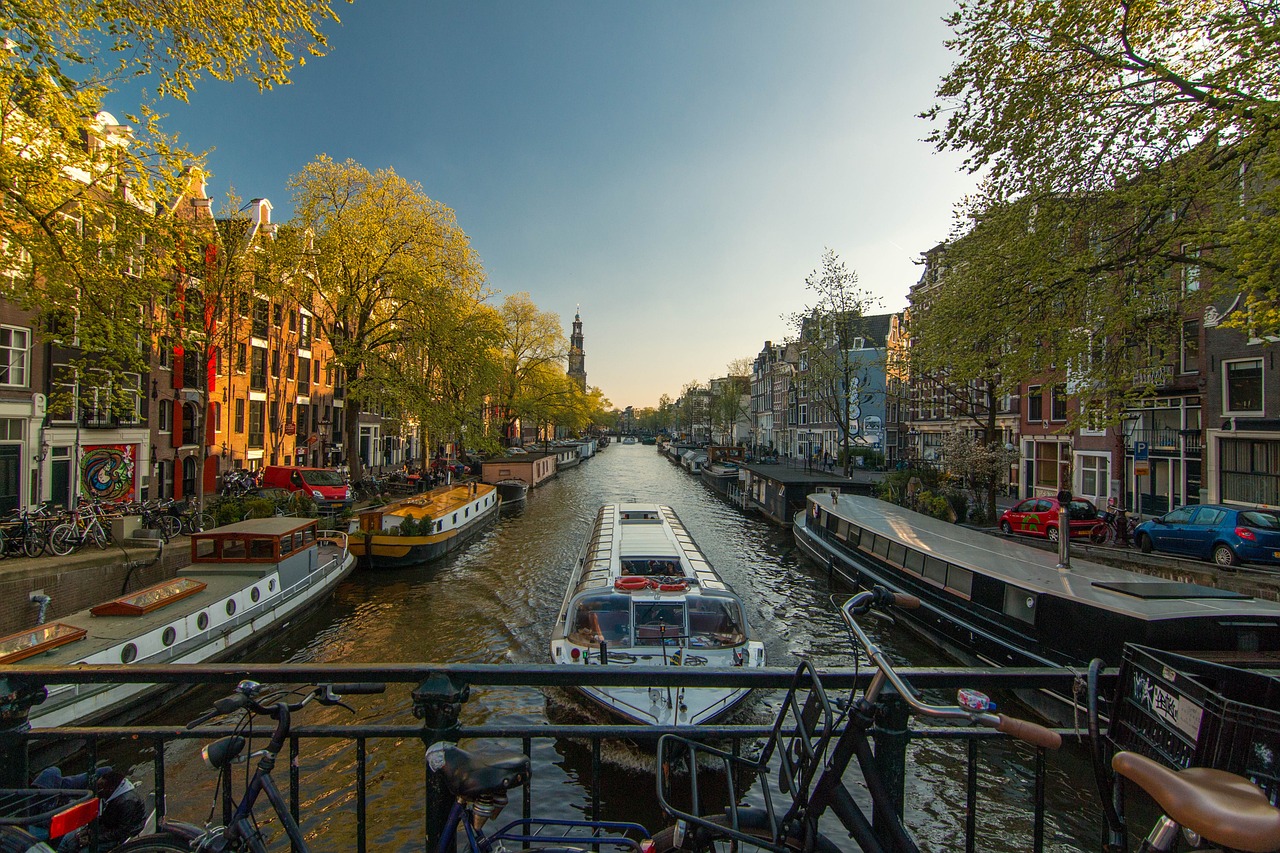
Living on a Narrowboat: A Unique and Affordable Way to Experience Life on the Water
Living on a narrowboat is a unique and unconventional way of life that has become increasingly popular in recent years. Narrowboats are long and narrow boats that were originally designed for use on the British canal system. They are usually around 7 feet wide and up to 70 feet long, and can be used as a permanent residence or as a holiday home.
One of the main appeals of living in a narrowboat is the freedom and flexibility it provides. Narrowboats can be moved from place to place, allowing residents to explore different parts of the country and enjoy a constantly changing view. They also offer a more affordable and sustainable way of living, with lower living costs and a smaller environmental footprint. However, living on a narrowboat also comes with its own unique challenges, such as limited space and the need to be self-sufficient.

Living on a Narrowboat
What is a Narrowboat
A narrowboat is a type of boat that is designed to navigate the narrow canals and waterways of the United Kingdom. These boats are typically between 6 and 12 feet wide and up to 70 feet long. They are often made of steel and have a flat bottom, which allows them to navigate shallow waters.
Why Choose a Narrowboat Lifestyle
Living on a narrowboat can be an attractive option for those looking for a more adventurous and unconventional lifestyle. It offers a sense of freedom and mobility that is not available with traditional housing. It is also a more affordable option than buying a house, especially in areas with high house prices.
Costs of Living on a Narrowboat
The costs of living on a narrowboat can vary depending on whether you choose to live on a residential mooring or as a continuous cruiser. A residential mooring is a designated spot on a canal or river where you can moor your boat for an extended period of time. This option provides a more stable living situation, but comes with higher mooring fees and council tax.
On the other hand, being a continuous cruiser means you must move your boat every two weeks and find a new mooring spot. This option provides more mobility and a closer connection to nature, but can be more stressful and physically demanding.
Other costs to consider include the cost of the boat itself, licensing and insurance fees, maintenance and repairs, and the cost of utilities such as fresh water and waste disposal.
Living on a narrowboat requires a certain level of knowledge and physical work, as well as an acceptance of the elements and a willingness to adapt to a more nomadic lifestyle. However, for those who are willing to take the plunge, it can be a rewarding and fulfilling way of life.
Choosing a Narrowboat
Living on a narrowboat is a unique experience that offers a sense of freedom and adventure. However, choosing the right narrowboat is crucial to ensure a comfortable and enjoyable lifestyle. Here are some important factors to consider when selecting a narrowboat.
Buying or Renting a Narrowboat
Before choosing a narrowboat, it’s essential to decide whether to buy or rent. Buying a narrowboat gives the owner complete control over the vessel, but it also requires significant investment and ongoing maintenance costs. Renting a narrowboat is a more affordable option, but it limits the owner’s freedom and may have restrictions on continuous cruising.
Choosing the Right Narrowboat
When choosing a narrowboat, several factors must be considered, including size, layout, and power source. Narrowboats come in different sizes ranging from 30ft to 70ft, and the size determines the number of cabins, living space, and storage. The layout of the narrowboat is also crucial, with various options available, such as traditional stern, cruiser stern, and semi-traditional stern.
The power source of the narrowboat can be either diesel or electric, with electric narrowboats becoming more popular due to their environmental benefits. Additionally, narrowboats may have different heating systems, such as solid fuel stoves, diesel heating, or central heating systems.
Boat Maintenance
Maintaining a narrowboat is essential to ensure its longevity and safety. Regular maintenance involves cleaning the hull, checking the engine, and inspecting the boat’s systems, such as plumbing and electrical. It’s also crucial to ensure that the boat is adequately ventilated to prevent damp and mould.
Insurance and Licensing
Narrowboat owners must have valid boat insurance and a boat license to operate on the canal network. The insurance covers the boat against damage, theft, and other risks, while the license allows the boat to navigate the canal network legally. Additionally, some marinas and moorings may require proof of insurance and license before allowing the boat to moor.
In conclusion, choosing a narrowboat requires careful consideration of several factors, such as buying or renting, choosing the right size and layout, boat maintenance, and insurance and licensing. By following these guidelines, one can ensure a comfortable and enjoyable lifestyle on a narrowboat.
Living on a Narrowboat: Practicalities
Living on a narrowboat can be an exciting and unique experience, but it also comes with its own set of practicalities to consider. In this section, we will explore the key areas of living space and storage, kitchen and bathroom facilities, heating and cooling, waste management, and water and power supply.
Living Space and Storage
The living space on a narrowboat is limited, so it is important to make the most of the available space. Many narrowboats have a bedroom area with a fixed double bed or a sofa bed that can be converted into a sleeping area. Storage space is often built into the bed or under the seats, and there may be additional storage space in cupboards or shelves.
Kitchen and Bathroom Facilities
Most narrowboats have a compact kitchen area that includes a sink, hob, and oven. Some may also have a fridge or freezer, and there is usually storage space for utensils, crockery, and food. The bathroom facilities on a narrowboat can vary, but most have a toilet, sink, and shower. Some narrowboats may also have a composting toilet or a pump-out toilet.
Heating and Cooling
Heating and cooling can be a challenge on a narrowboat, especially in extreme temperatures. Many narrowboats have a solid fuel stove or a diesel heater for heating, and some may have air conditioning units for cooling. It is important to ensure that the heating and cooling systems are regularly maintained to ensure they are working efficiently.
Waste Management
Waste management is an important consideration when living on a narrowboat. Most narrowboats have a holding tank for waste, which needs to be emptied regularly at pump-out stations. Some narrowboats may have a composting toilet, which requires regular maintenance and management.
Water and Power Supply
Water and power supply can also be a challenge on a narrowboat. Most narrowboats have a fresh water tank, which needs to be refilled regularly at water points. Some narrowboats may also have a water filtration system. Power is usually supplied by batteries, which need to be regularly charged using a generator or shore power. Solar panels can also be used to generate power.
Living on a narrowboat requires careful consideration of practicalities, but with the right preparation and maintenance, it can be a rewarding and enjoyable experience.
Living on a Narrowboat: The Lifestyle
Living on a narrowboat is a unique and rewarding lifestyle that offers a range of benefits to those who choose it. From the sense of community and social life to the joys of being surrounded by nature, there are plenty of reasons why more and more people are opting for this floating home lifestyle.
Community and Social Life
One of the great things about living on a narrowboat is the sense of community that comes with it. Whether you’re moored up in a busy city centre or a quiet rural spot, there is always a friendly community of fellow boaters to get to know. Many people find that the social life on a narrowboat is much more active and engaging than in a traditional home, with regular get-togethers and events organised by the boating community.
Nature and the Environment
Living on a narrowboat means being surrounded by nature and the environment. Whether you’re cruising along a canal or moored up in a quiet spot, you’ll be able to enjoy the sights and sounds of the natural world around you. From the tranquil beauty of the water to the abundance of wildlife that can be found along the banks, living on a narrowboat is a great way to connect with nature.
The Joys and Challenges of Living on a Narrowboat
While there are many joys to living on a narrowboat, it’s important to remember that there are also challenges. One of the biggest challenges is the need to constantly adapt to changing circumstances, whether it’s finding a new mooring spot or dealing with the weather. Living on a narrowboat also requires a certain level of self-sufficiency, as you’ll need to be able to manage your own water and waste systems.
Overall, living on a narrowboat offers a unique and rewarding lifestyle that is well worth considering for those who are looking for something a little different. Whether you’re a continuous cruiser or have a home mooring, the liveaboard lifestyle offers a sense of freedom and adventure that is hard to find elsewhere. And with the support of organisations like the Canal and River Trust, there is plenty of advice and support available for those who are new to the world of narrowboats.

