

Monmouthshire and Brecon Canal: A Scenic and Historic Waterway in Wales
The Monmouthshire and Brecon Canal is a historic waterway that runs through the Brecon Beacons National Park in South Wales. It was originally built in the early 19th century to transport coal and iron from the local mines to the coast, but today it is a popular destination for tourists and locals alike.
The canal stretches for 35 miles and passes through some of the most beautiful scenery in Wales. It is a great place to enjoy a leisurely walk or cycle ride, with plenty of opportunities to stop off at local pubs and cafes along the way. There are also a number of boat trips available for those who want to explore the canal from the water.
The Monmouthshire and Brecon Canal is steeped in history, with many of the original features still intact. Visitors can see the old lock gates, bridges, and aqueducts that were used to transport goods along the canal. It is a fascinating glimpse into the past and a great way to experience the beauty of the Brecon Beacons.
History and Construction
The Monmouthshire and Brecon Canal, originally known as the Monmouthshire Canal, was authorized by an Act of Parliament in 1793. The canal was designed to transport coal, iron, and lime from the industrial corridor in the eastern part of South Wales to Newport, where the goods could be exported by sea.
The canal was constructed in two phases. The first phase, which opened in 1796, connected Newport to Pontymoile, near Cwmbran. The second phase, which opened in 1812, extended the canal from Pontymoile to Brecon, where it connected with the Brecknock and Abergavenny Canal. The canal was built using a combination of cuttings, embankments, and aqueducts.
The Monmouthshire and Brecon Canal played a vital role in the industrial heritage of South Wales, providing a cheap and efficient means of transporting goods to market. However, the arrival of the railroads in the mid-19th century led to a decline in the canal’s fortunes, and it was eventually closed to commercial traffic in 1962.
Today, the Monmouthshire and Brecon Canal is a popular destination for tourists and boaters, offering scenic views of the Welsh countryside and a glimpse into the region’s industrial past. The canal is also home to a number of historic structures, including the Crumlin Arm, an abandoned branch of the canal that once served the local coal mines.
Geography and Route
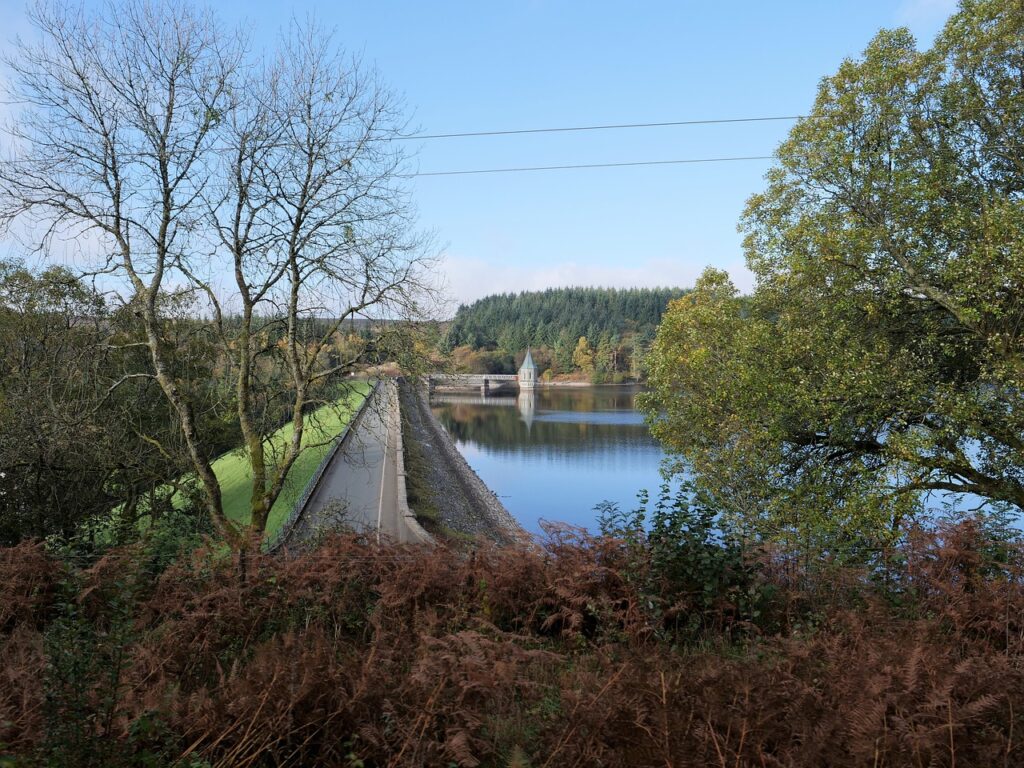
The Monmouthshire and Brecon Canal is a beautiful waterway that runs through the heart of South Wales. It is situated within the Brecon Beacons National Park, which is a protected area of outstanding natural beauty.
The canal stretches for 35 miles from Pontymoile Basin near Pontypool to Brecon in Mid Wales. It follows the route of the River Usk for much of its length, passing through a variety of landscapes including rolling hills, steep valleys, and tranquil forests.
The canal features a total of 6 locks, including the Five Locks at Pontymoile, which are some of the most impressive on the route. There are also several aqueducts, including the stunning Pontcysyllte Aqueduct, which carries the canal over the River Dee.
Along the way, the canal passes through a number of charming towns and villages, including Abergavenny, Crickhowell, Llangattock, Llangynidr, and Talybont. Each of these places has its own unique character and offers visitors plenty to see and do.
Other points of interest along the route include Goytre Wharf, which is a popular spot for boating enthusiasts, and the Llangattock Escarpment, which offers stunning views across the Usk Valley. The canal also passes through the historic town of Blaenavon, which is home to a number of fascinating industrial heritage sites.
Overall, the Monmouthshire and Brecon Canal is a wonderful way to experience the beauty of South Wales. Whether you are a keen walker, cyclist, or boater, there is something for everyone to enjoy along this stunning waterway.
Structures and Features
Monmouthshire and Brecon Canal is known for its impressive structures and features that make it a popular tourist destination. The canal has a total of 6 locks, which are used to change the water levels in the canal. The locks are made of stone and are manually operated. The canal also has a basin, which is located at Brecon. The basin is used as a turning point for boats and is also a popular spot for fishing.
The canal runs through limestone areas, which has resulted in the creation of several tunnels along the canal. The Ashford Tunnel is the longest tunnel on the canal, measuring 375 meters. The tunnel is made of brick and is a popular spot for tourists to explore. The canal also has a tramway that runs from the Brecon Basin to the Brynich Aqueduct. The tramway was used to transport goods and materials during the construction of the canal.
The canal has a marina at Newport Docks, which is a popular spot for boating enthusiasts. The marina has several berths and facilities for boaters. The canal also has a towpath that runs alongside it, which is used by walkers, joggers, and cyclists.
The canal is connected to the River Usk by the Brynich Aqueduct, which is a Grade II listed structure. The aqueduct is made of cast iron and spans 36 meters. The canal also has several stone bridges, including the Llangynidr Bridge and the Pencelli Bridge.
The Monmouthshire and Brecon Canal Company was responsible for the construction of the canal. The company was formed in 1792 and was responsible for the design and construction of the canal. The canal was used to transport goods and materials until the mid-20th century when it fell into disuse.
The canal has several lime kilns along its route, which were used to produce lime for agricultural and industrial use. The canal also has the Cefn Flight of Fourteen Locks, which is a series of locks that raise the canal by 50 meters. The locks are a popular spot for tourists to visit and explore.
The canal has several wharfs along its route, including the Llanfoist Wharf. The wharfs were used to load and unload goods and materials from the canal. The canal also runs alongside the Great Western Railway, which was used to transport goods and materials to and from the canal.
Overall, Monmouthshire and Brecon Canal is a fascinating destination for tourists who are interested in exploring the history and heritage of the canal. The canal’s impressive structures and features make it a unique and memorable experience for visitors.
Recreation and Tourism
Monmouthshire and Brecon Canal is a popular destination for recreation and tourism. The canal offers a range of activities for visitors to enjoy, including walking, cycling, day boat trips, canoeing, and fishing. The canal is also home to many picturesque villages, which are perfect for a leisurely stroll or a bike ride.
For walkers and cyclists, the canal towpath provides a scenic route with stunning views of the surrounding countryside. The towpath is well-maintained and suitable for all abilities, making it a popular choice for families and casual walkers. Cyclists can also take advantage of the quiet country lanes that run alongside the canal.
Day boat trips are a great way to explore the canal and its surroundings. Visitors can hire a narrowboat or a day boat and enjoy a leisurely cruise along the waterway. The canal is home to many market towns and villages, which offer a range of facilities including pubs, restaurants, and shops.
Canoeing is a popular activity on the canal, with many visitors taking to the water to explore the waterway from a different perspective. Fishing is also a popular pastime, with a variety of fish species available to catch.
The canal is open to the public all year round, with many facilities available for visitors. There are a number of canalside pubs and restaurants along the route, offering a range of food and drink. The canal also has a number of facilities for boaters, including moorings and water points.
Overall, Monmouthshire and Brecon Canal is a fantastic destination for those looking to enjoy the great outdoors. With a range of activities available, visitors can explore the canal and its surroundings at their leisure.
Flora and Fauna
The Monmouthshire and Brecon Canal is home to a diverse range of flora and fauna. Visitors to the canal can expect to see a variety of wildlife, including kingfishers, buzzards, herons, and dragonflies.
The canal is surrounded by a mix of deciduous and coniferous trees, providing a habitat for a range of bird species. The towpath also offers a nature trail, which is perfect for exploring the local flora and fauna.
One of the most striking features of the canal is the abundance of kingfishers. These colourful birds can often be seen darting along the water’s edge, hunting for fish. Buzzards and herons are also common sights along the canal, soaring high above the trees.
Dragonflies are another fascinating feature of the canal’s ecosystem. These delicate insects can be seen flitting around the water’s edge, their iridescent wings catching the sunlight.
Overall, the Monmouthshire and Brecon Canal is a haven for nature lovers. Whether you’re interested in birdwatching, exploring the local flora, or simply enjoying a peaceful walk along the towpath, there’s something for everyone to enjoy.
Restoration and Preservation
The Monmouthshire and Brecon Canal is a special site of scientific interest and an important part of the Blaenavon World Heritage Site. Restoration and preservation efforts have been ongoing to ensure the canal remains a vital part of the area’s history and ecosystem.
Restoration efforts began in the 1960s after the canal fell into disrepair due to neglect and disuse. The restoration project was a collaboration between the government, local authorities, and volunteers. The project involved dredging the canal, rebuilding locks and bridges, and restoring the towpath.
Today, the canal is a thriving tourist attraction and an important part of the local economy. Visitors can enjoy a leisurely boat ride or a stroll along the towpath. The canal also provides habitat for a variety of plant and animal species, including rare and endangered species such as water voles and dragonflies.
Preservation efforts continue to ensure the canal remains a vital part of the area’s history and ecosystem. The canal is regularly maintained to prevent erosion and damage from weather and other natural factors. Volunteers also play a crucial role in preserving the canal by monitoring water quality and reporting any issues.
In conclusion, the restoration and preservation of the Monmouthshire and Brecon Canal has been a success story, ensuring that this important site of scientific interest and World Heritage Site remains a vital part of the area’s history and ecosystem for future generations to enjoy.


