
Llangollen Canal: A Scenic Waterway in North Wales
The Llangollen Canal is a picturesque waterway in Wales that is known for its stunning scenery and rich history. This canal, which is part of the wider network of canals in the UK, was originally built in the early 19th century to transport goods and materials across the country. Today, it is a popular destination for tourists and locals alike, offering a peaceful and relaxing way to explore the Welsh countryside.
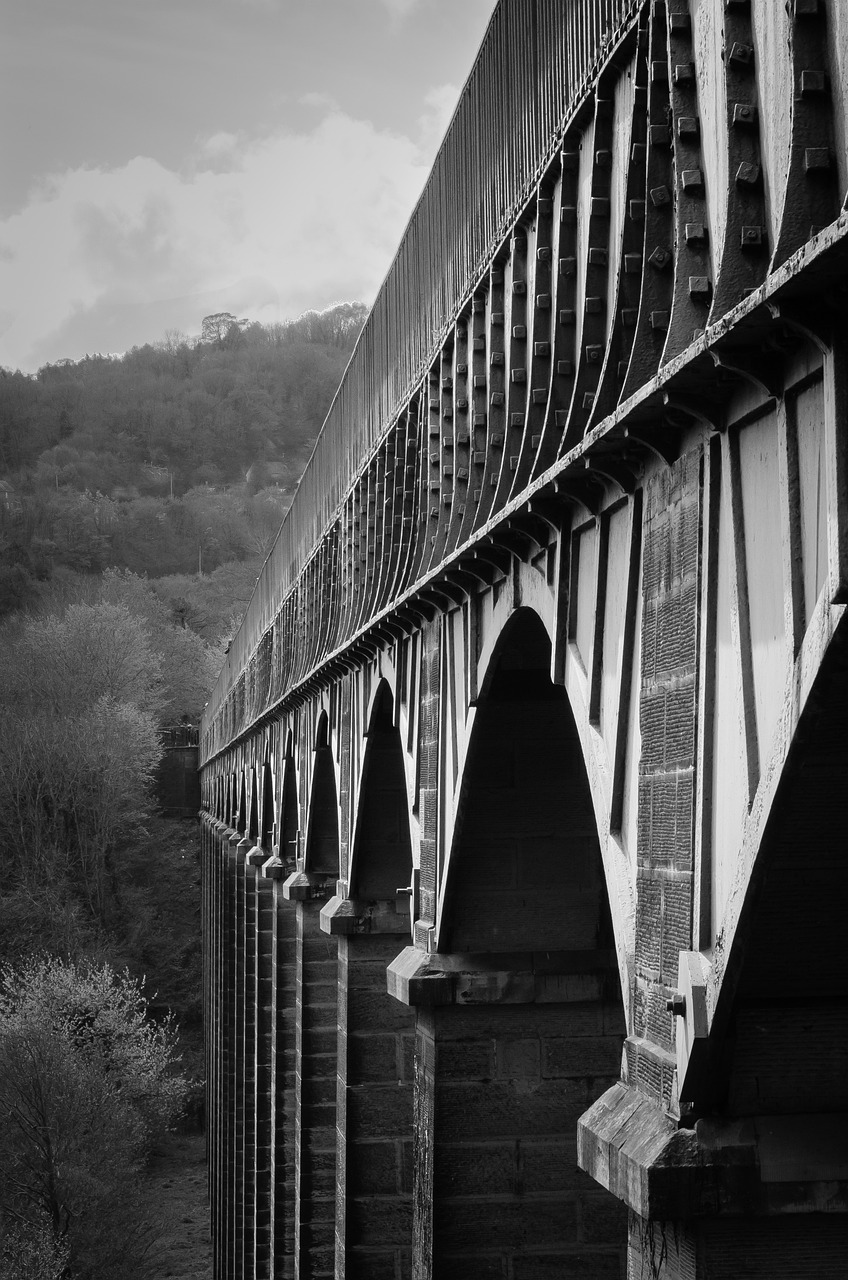
One of the most notable features of the Llangollen Canal is its status as a UNESCO World Heritage Site. This designation recognises the canal’s importance as a cultural and historical landmark, and highlights its significance as a testament to the ingenuity and skill of the engineers who designed and built it. Visitors to the canal can explore a range of historic sites and attractions, including the Pontcysyllte Aqueduct, which is considered one of the most impressive engineering feats of the Industrial Revolution.
Despite its age, the Llangollen Canal remains an important part of the UK’s transport infrastructure, and is still used today for a variety of purposes. Whether you’re interested in history, engineering, or simply enjoying the great outdoors, the Llangollen Canal is a must-visit destination for anyone travelling to Wales.
Geographical Location and Route
The Llangollen Canal is a navigable waterway located in North East Wales and North West England. It runs for 46 miles from Llangollen in Wales to Hurleston Junction near Nantwich in Cheshire, England. The canal was first opened in 1805 and is now a popular tourist attraction, known for its stunning scenery and impressive engineering.
The canal follows the valley of the River Dee for much of its length, passing through the towns of Chirk, Ellesmere, Ruabon, and Whitchurch. It also passes through the Trevor Basin near Llangollen, which is a popular destination for boaters and visitors alike. The canal features a number of impressive structures, including the Pontcysyllte Aqueduct, which carries the canal over the River Dee and is a UNESCO World Heritage Site.
The Llangollen Canal is connected to other waterways in the region, including the Shropshire Union Canal, which runs to the north and west, and the Montgomery Canal, which runs to the south. It also connects to the River Dee at Llangollen and the River Mersey at Hurleston Junction, providing access to the wider waterway network in the region.
The canal passes through a variety of landscapes, including the Dee Valley and the Moss Valley. It also passes through a number of towns and villages, including Wrexham in Wales and Whitchurch in England. The canal is a popular destination for boating holidays, with many visitors taking the opportunity to explore the beautiful countryside and historic towns along its route.

Architectural Marvels
The Llangollen Canal is home to several architectural marvels that have stood the test of time and continue to amaze visitors today. From aqueducts to viaducts, these structures are a testament to the engineering prowess of their designers.
One of the most famous architectural marvels on the Llangollen Canal is the Pontcysyllte Aqueduct. Designed by William Jessop and Thomas Telford, this aqueduct spans the River Dee and is the longest and highest aqueduct in Britain. Its construction was completed in 1805 and it was designated a UNESCO World Heritage Site in 2009. The aqueduct is 307 meters long and stands at a height of 38 meters above the river.
Another impressive structure on the canal is the Chirk Aqueduct, which was also designed by Thomas Telford. This aqueduct spans the Ceiriog Valley and is 70 meters long. It was completed in 1801 and is a Grade II* listed structure. The aqueduct features 10 arches and is made of local stone and cast iron.
In addition to the aqueducts, the Llangollen Canal also features several viaducts and embankments. One of the most impressive viaducts on the canal is the Cefn Viaduct, which was completed in 1848. It spans the River Dee and is 307 meters long. The viaduct features 18 arches and is made of local stone.
The canal also features several embankments, including the Garth Embankment and the Bryn-Howel Embankment. These structures were built to carry the canal across valleys and other obstacles. The Garth Embankment is 2.3 kilometers long and was completed in 1808, while the Bryn-Howel Embankment is 1.6 kilometers long and was completed in 1806.
Overall, the Llangollen Canal is home to some of the most impressive architectural structures in Britain. From the Pontcysyllte Aqueduct to the Chirk Aqueduct, these structures are a testament to the engineering ingenuity of their designers and continue to amaze visitors today.
Facilities and Attractions
The Llangollen Canal boasts a wide range of facilities and attractions that cater to the needs of visitors. The canal is an ideal destination for those seeking a peaceful and relaxing environment, with stunning views of the Welsh countryside.
Towpath
The towpath along the Llangollen Canal is well-maintained and offers a pleasant walking and cycling route. Visitors can enjoy a leisurely stroll or bike ride along the canal, taking in the picturesque scenery.
Facilities
The facilities along the Llangollen Canal are limited but adequate. There are several public toilets located along the canal, as well as a few picnic areas. Visitors can also find drinking water points at various locations.
Moorings
There are several visitor moorings available along the Llangollen Canal, with space for up to 72 boats. The moorings are well-maintained and offer a safe and secure place to park your boat.
Car Park
There are several car parks located near the Llangollen Canal, providing ample parking for visitors. The car parks are well-signposted and offer easy access to the canal.
Tunnels
The Llangollen Canal features two impressive tunnels, the Chirk Tunnel and the Whitehouse Tunnel. Both tunnels are well-lit and provide a unique experience for visitors.
Shops and Restaurants
There are several shops and restaurants located near the Llangollen Canal, offering a range of goods and services. Visitors can enjoy a meal at one of the many restaurants, or browse the shops for souvenirs and gifts.
Walk Across
The Pontcysyllte Aqueduct is a UNESCO World Heritage Site and a must-see attraction for visitors to the Llangollen Canal. Visitors can walk across the aqueduct, enjoying stunning views of the surrounding countryside.
Boat Trips
Boat trips are available along the Llangollen Canal, providing visitors with a unique perspective of the canal and its surroundings. Boat trips are available from several locations along the canal.
In conclusion, the Llangollen Canal offers a range of facilities and attractions for visitors to enjoy. Whether you’re looking for a peaceful walk along the towpath or an adventurous boat trip, the canal has something for everyone.
Historical Significance
The Llangollen Canal has a rich history that dates back to the 18th century. It was constructed to transport goods from the coalfields of North Wales to the rest of the country, and played a vital role in the Industrial Revolution.
The canal was built between 1795 and 1808, and required the construction of several impressive structures, including the Pontcysyllte Aqueduct and the Horseshoe Falls. The canal was designed by Thomas Telford and William Jessop, and is considered to be one of the finest examples of canal engineering in the world.
In 2009, the Llangollen Canal, along with the Pontcysyllte Aqueduct, was granted World Heritage status by UNESCO. This recognition is a testament to the canal’s historical significance and its importance to the development of transportation in the UK.
The Llangollen Canal was originally part of the Ellesmere Canal, which connected the River Mersey to the River Severn. However, the canal suffered from a lack of use in the 20th century and was eventually closed in 1944. It was later restored and reopened in 1986, thanks in part to the efforts of the Llangollen Canal Restoration Trust.
Today, the canal is a popular tourist attraction, and visitors can take boat trips from Llangollen Wharf to Froncysyllte and back. The canal is also home to several historic structures, including the Limekilns at Llanymynech and the Prees Branch.
Overall, the Llangollen Canal is an important part of the UK’s transportation history, and its restoration and continued use is a testament to its enduring significance.
Boating and Navigation
Boating on the Llangollen Canal is a popular activity for both locals and tourists. The canal is navigable for narrowboats, and there are plenty of mooring opportunities along the way. Boaters can explore the stunning Welsh countryside and pass through several notable landmarks, including the famous aqueducts and Llangollen Wharf.
The canal is well-maintained and easy to navigate, with clear signage and well-marked routes. Boaters can access the canal from several locations, including Chester, which is only a short distance away. The Llangollen Canal is also part of the UNESCO World Heritage Site, which attracts many visitors each year.
There are several canal boat hire companies that offer boats for hire, making it easy for boaters to explore the canal without owning their own boat. These companies offer a range of boats, from small two-person boats to larger family-sized boats. They also provide training and guidance for those who are new to boating.
Mooring along the canal is also straightforward, with plenty of designated mooring spots available. Boaters can choose to moor up at Llangollen Wharf, which is a popular spot for tourists, or in one of the many rural locations along the canal. Some mooring locations even offer facilities such as water and electricity hook-ups.
Overall, boating on the Llangollen Canal is a fantastic way to experience the beauty of the Welsh countryside. Whether you’re an experienced boater or a first-timer, the canal offers a safe and enjoyable experience for all.
Transportation and Accessibility
The Llangollen Canal is easily accessible by car, train, and bus. There are also several car parks available for visitors.
Car
Visitors can reach the canal by car via the A5 road. There are several car parks available, including the Wharf car park in Llangollen and the Trevor Basin car park. Both car parks have ample parking spaces and are within walking distance of the canal.
Train
The nearest train station to the Llangollen Canal is Chirk, which is approximately 5 miles away. From there, visitors can take a taxi or bus to reach the canal. The train station at Ruabon is also nearby, and visitors can take a taxi or bus from there as well.
Bus
There are several bus services that operate in the area, including the Arriva Bus service and the Lloyds Coaches service. Visitors can take a bus to Llangollen and then walk to the canal from there.
Parking
There are several car parks available for visitors, including the Wharf car park in Llangollen and the Trevor Basin car park. Both car parks have ample parking spaces and are within walking distance of the canal.
Overall, the Llangollen Canal is easily accessible by car, train, and bus. Visitors can park their cars in one of the many car parks available and then walk to the canal. The train and bus services provide an alternative mode of transportation for visitors who do not have access to a car.
Local Economy
The Llangollen Canal has played a significant role in the local economy, supporting a range of industries and businesses. From coal transportation to tourism, the canal has been a vital resource for the region.
Coal was one of the primary goods transported along the canal during the industrial revolution. The canal provided a cost-effective and efficient means of transporting coal from the mines in the Shropshire Union to the factories and mills in the surrounding areas. Today, the canal still supports some commercial traffic, although it is mainly used for leisure purposes.
The Llangollen Canal is a popular destination for holidaymakers, attracting visitors from all over the world. The canal offers a unique and tranquil experience, allowing visitors to explore the stunning Welsh countryside at a leisurely pace. Many local businesses have benefited from the influx of tourists, including hotels, restaurants, and shops.
Craft is another important aspect of the local economy. The canal has a rich history of boat building and maintenance, and many skilled craftsmen work in the area. Visitors can also purchase handmade crafts and souvenirs from local artisans.
Overall, the Llangollen Canal has had a positive impact on the local economy, supporting a diverse range of businesses and industries. Its historical significance and natural beauty continue to attract visitors and provide a valuable resource for the region.
Preservation and Future
The preservation of Llangollen Canal is of national importance due to its historical significance and unique engineering features. The canal was designated as a UNESCO World Heritage Site in 2009, which further highlights its significance. The canal is also a popular tourist attraction and a vital waterway for boating enthusiasts.
The restoration of the canal began in the 1970s and has been an ongoing project ever since. The restoration work has been carried out by volunteers and professionals, and it has been a great success. The canal has been restored to its former glory, and it is now a thriving waterway.
The future of Llangollen Canal looks bright, with plans to continue to maintain and improve the canal. The canal is a valuable asset to the local community and the wider region, and it is essential that it is preserved for future generations to enjoy.
The east side of the canal is particularly important, as it is home to a variety of wildlife and is a designated Site of Special Scientific Interest (SSSI). It is essential that this area is protected and managed carefully to ensure that the wildlife and habitats are preserved.
In conclusion, the preservation and future of Llangollen Canal are of utmost importance. The canal is a unique and valuable asset, and it is essential that it is preserved for future generations to enjoy. The ongoing restoration work and plans to maintain and improve the canal ensure that it will continue to be a vital waterway and popular tourist attraction for years to come.


