

The Most Sustainable Narrowboat Routes in the UK: A Guide to Eco-Friendly Canal Travel
As we become more aware of our impact on the environment, the popularity of sustainable travel options has increased. Narrowboating is one such option that allows us to explore the UK’s waterways while minimising our carbon footprint. In this article, we will be discussing the most sustainable narrowboat routes in the UK.
Narrowboating is a unique way to explore the UK’s canals and waterways. By travelling at a slower pace, we can take in the scenery and wildlife around us, as well as reducing our carbon emissions. However, not all narrowboat routes are created equal when it comes to sustainability. Some routes have more facilities for recycling and waste disposal, while others have more opportunities to support local, eco-friendly businesses. In this article, we will highlight the routes that offer the most sustainable options for narrowboaters.
Whether you are a seasoned narrowboater or considering it for the first time, this article will provide valuable information on how to make your journey as sustainable as possible. From the canals of London to the tranquil waters of the Norfolk Broads, we will explore the routes that offer the best combination of natural beauty, cultural heritage, and sustainable practices. So, sit back, relax, and join us as we set off on a journey through the most sustainable narrowboat routes in the UK.
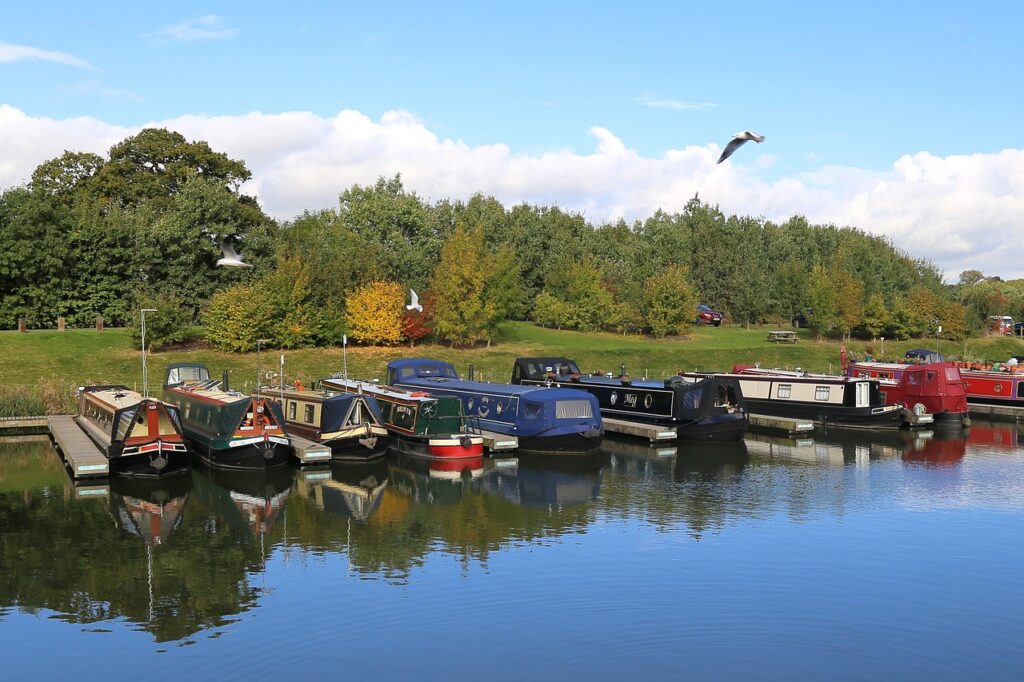
Understanding Narrowboat Routes
When it comes to narrowboating, understanding the different routes available to us is essential. The UK has an extensive canal network that offers various waterway routes to explore. Here, we will provide you with a brief overview of the canal routes and waterways that you can navigate through.
Narrowboat Routes
Narrowboats are long and narrow vessels that are designed to navigate through narrow canals. They are typically between 40 and 70 feet long and have a beam of around 6 to 7 feet. Narrowboats are typically powered by diesel engines and are ideal for leisure cruising.
Canal Routes
Canal routes are the waterways that narrowboats can navigate through. The UK has an extensive canal network that spans over 2,000 miles. The canal network is made up of interconnected waterways, including rivers, canals, and locks. The canals were originally built to transport goods and materials during the Industrial Revolution, but nowadays, they are mostly used for leisure cruising.
Waterway
A waterway is a navigable route for boats and ships. In the UK, waterways include rivers, canals, and lakes. Waterways are an essential part of the canal network and provide a means of transportation for boats.
Canal Network
The canal network in the UK is a complex system of interconnected waterways that allows boats to travel from one location to another. The canal network includes rivers, canals, and locks, which are used to regulate the water levels and allow boats to navigate through different waterways.
Waterway Routes
Waterway routes are the different paths that boats can take through the canal network. There are various waterway routes available, each offering a unique experience. Some popular waterway routes include the Grand Union Canal, the Llangollen Canal, and the Kennet and Avon Canal.
In conclusion, understanding the different narrowboat routes available to us is essential for planning a successful canal trip. The UK has an extensive canal network that offers a range of waterway routes to explore. By understanding the different canal routes and waterways, we can plan our journey and ensure a memorable narrowboating experience.
The Beauty of UK Canals
As we explore the most sustainable narrowboat routes in the UK, it’s impossible not to appreciate the natural beauty of the canals themselves. From the picturesque countryside to the fascinating wildlife, there’s much to admire.
The UK’s canal network is a haven for nature lovers, with many species of birds, fish, and mammals calling the waterways home. Whether it’s the tranquil Oxford Canal, the historic Kennet and Avon Canal, or the scenic Union Canal, there’s always a chance to spot something special.
One of the most striking features of the canals is their peacefulness. Away from the hustle and bustle of modern life, the waterways offer a sense of calm and tranquillity that’s hard to find elsewhere. Whether you’re navigating the Forth and Clyde Canal or the Grand Union Canal, the sense of relaxation is palpable.
Of course, it’s not just the natural beauty of the canals that’s noteworthy. Many of the waterways are steeped in history, with fascinating stories to uncover. From the Monmouthshire & Brecon Canal to the Llangollen Canal, there’s always something to learn about the past.
As we travel along the Bridgewater Canal or the Leeds and Liverpool Canal, we can’t help but feel a sense of wonder at the engineering feats that made these waterways possible. From the locks to the aqueducts, the canals are a testament to human ingenuity.
In short, the beauty of UK canals is undeniable. From the tranquil waters to the fascinating wildlife, there’s much to admire. As we explore the most sustainable narrowboat routes, we’re reminded of the importance of preserving this natural wonder for future generations to enjoy.
Top Sustainable Narrowboat Routes
We have compiled a list of the most sustainable narrowboat routes in the UK. These routes not only offer picturesque views but also promote eco-friendly travel.
Kennet and Avon Canal
The Kennet and Avon Canal is a popular narrowboat route in England. This 87-mile-long canal connects the River Thames at Reading to the River Avon in Bath. The canal passes through the beautiful Wiltshire countryside and the historic city of Bath. It is also home to a variety of wildlife, including otters, kingfishers, and water voles.
Llangollen Canal
The Llangollen Canal is a peaceful and scenic route that passes through the stunning Welsh countryside. This 46-mile-long canal runs from the town of Llangollen to the town of Hurleston. The canal passes over the famous Pontcysyllte Aqueduct, a UNESCO World Heritage Site, and offers breathtaking views of the Dee Valley.
Monmouthshire and Brecon Canal
The Monmouthshire and Brecon Canal is a tranquil and picturesque route that runs through the Brecon Beacons National Park. This 35-mile-long canal connects the town of Brecon to the town of Cwmbran. The canal passes through beautiful countryside and offers stunning views of the Black Mountains.
Forth and Clyde Canal
The Forth and Clyde Canal is a historic route that runs from Glasgow to Falkirk. This 35-mile-long canal passes through the heart of Scotland and offers stunning views of the countryside. The canal is also home to a variety of wildlife, including otters, kingfishers, and herons.
Leeds and Liverpool Canal
The Leeds and Liverpool Canal is the longest canal in the UK, stretching over 127 miles from Leeds to Liverpool. This canal passes through the Pennines and offers stunning views of the countryside. The canal is also home to a variety of wildlife, including otters, kingfishers, and herons.
These are just a few of the many sustainable narrowboat routes available in the UK. By choosing to travel by narrowboat, we can enjoy the beauty of the countryside while also reducing our carbon footprint.
Historical Significance of Canals
Canals have played a significant role in the history of the UK, particularly during the Industrial Revolution. They were used to transport goods and raw materials from one place to another, helping to fuel the country’s economic growth.
During this period, canals were built to connect major cities like London, Birmingham, and Manchester to the rest of the country. They were also used to transport goods to and from the ports, which helped to boost the country’s international trade.
Today, these canals are still in use and have become popular tourist attractions. Many of them pass through historic towns and cities, such as Bath, which is famous for its Roman baths.
The canals are also home to a variety of wildlife, including ducks, swans, and fish. They provide a peaceful and picturesque environment for people to enjoy, whether it’s walking along the towpath or cruising on a narrowboat.
The canals are managed by British Waterways, which is responsible for their maintenance and upkeep. They work hard to ensure that the canals are kept in good condition and that they continue to be a valuable part of the country’s heritage.
Overall, the historical significance of canals cannot be overstated. They have played an important role in the growth and development of the UK, and continue to be an important part of the country’s cultural and natural heritage.
Activities Along the Routes
When it comes to activities along the most sustainable narrowboat routes in the UK, there is no shortage of options. From enjoying a pint at a local pub to camping under the stars, there is something for everyone.
One of the most popular activities along the routes is visiting the local pubs and restaurants. There are many charming establishments along the way that offer delicious food and drinks. Some of our favourites include The Bridge Inn in Napton, The Folly in Oxford, and The Narrowboat in Skipton.
For those who enjoy walking, there are plenty of opportunities to stretch your legs and take in the beautiful scenery. The Oxford Canal Walk is a particularly stunning route that takes you through the heart of the city and along the canal. The towpath along the Grand Union Canal is also a great option for a leisurely stroll.
Fishing enthusiasts will be pleased to know that there are many spots along the canal where you can cast a line. The Kennet and Avon Canal is particularly popular for fishing, with a variety of fish species to be caught.
If you’re looking to get some exercise, running along the towpath is a great way to do so. The paths are generally flat and well-maintained, making it an ideal spot for a jog.
Finally, for those who want to spend a night under the stars, camping is a great option. There are many campsites along the routes, including the popular Canal Camping in Tiverton and the picturesque Hill Farm in Warwickshire.
Overall, there are plenty of activities to enjoy along the most sustainable narrowboat routes in the UK. Whether you’re looking for a relaxing pint or an adventurous hike, there is something for everyone to enjoy.
Importance of Locks
Locks are an essential part of any narrowboat journey in the UK, and they play a vital role in the sustainability of our waterways. Locks are used to raise and lower boats between different levels of water, allowing us to navigate through the canal system. Without locks, narrowboats would not be able to travel along the canals, and the waterways would not be as accessible or enjoyable for us to explore.
One of the main benefits of locks is that they help to conserve water. When a boat enters a lock, the gates are closed behind it, and the water inside the lock is either raised or lowered to match the level of water on the other side of the lock. This means that water is not wasted, and the water levels in the canal are maintained.
Locks also help to control the flow of water along the canal, preventing flooding and erosion. By regulating the water levels, locks ensure that the canal banks and towpaths are not damaged by excessive water flow.
In addition to their practical benefits, locks also have historical and cultural significance. Many of the locks on the UK’s canal system are over 200 years old, and they are a testament to the ingenuity of the engineers who designed them. Locks are also an important part of the canal heritage, and they help to preserve the history and character of the waterways.
When navigating through locks, it is important to be mindful of their condition and to treat them with respect. By following the guidelines for using locks safely and responsibly, we can help to ensure that they continue to serve us and future generations of narrowboat enthusiasts for many years to come.
Staying Aboard: Canal Boat Holidays
Canal boat holidays are a fantastic way to explore the UK’s waterways and enjoy a unique staycation experience. Whether you’re a seasoned boater or a first-time canal holidaymaker, there are plenty of sustainable narrowboat routes to choose from.
When it comes to staying aboard a canal boat, there are a few things to keep in mind. Firstly, it’s important to pack appropriately for the trip. You’ll need to bring warm clothing, comfortable shoes for walking along the towpath, and perhaps a waterproof jacket in case of rain.
Most canal boats come equipped with basic amenities, including a kitchenette, a bathroom, and sleeping quarters. Some boats also have a TV, DVD player, and other entertainment options. Be sure to check what’s included before you book your canal boat holiday.
One of the best things about canal boat holidays is the opportunity to slow down and enjoy the journey. Take your time cruising along the waterways, stopping off at picturesque villages and historic towns along the way. You can also moor up and explore the local area on foot or by bike.
In terms of sustainable narrowboat routes, there are plenty of options to choose from. The Kennet and Avon Canal, for example, offers a scenic journey through the heart of the Cotswolds, while the Llangollen Canal takes you through the stunning Welsh countryside.
Overall, canal boat holidays are a great way to enjoy a sustainable staycation and explore the UK’s waterways. With the right preparation and a sense of adventure, you’re sure to have a memorable trip.
The Future of Narrowboat Travel
As we look ahead to the future of narrowboat travel, there are a number of exciting developments on the horizon. One of the most significant trends is the rise of electric narrowboats, which are becoming increasingly popular among boaters who are looking for a more environmentally friendly way to explore the UK’s waterways.
Electric narrowboats are powered by rechargeable batteries, which means they produce zero emissions and are much quieter than traditional diesel-powered boats. This not only makes them better for the environment, but also for those who live along the canals and rivers.
Another trend that we are likely to see in the future is the increased use of technology to make narrowboat travel more efficient and convenient. For example, we may see the development of smart navigation systems that use real-time data to help boaters avoid congestion and navigate the waterways more easily.
We may also see the development of new materials and technologies that make narrowboats more sustainable and eco-friendly. For example, there are already boats being built using recycled materials, and we may see more innovations in this area in the years to come.
Overall, the future of narrowboat travel looks bright, with more and more people discovering the joys of exploring the UK’s waterways. As we continue to embrace sustainable and eco-friendly technologies, we can ensure that these waterways remain a beautiful and peaceful place for generations to come.
Planning and Insurance
When planning a sustainable narrowboat trip in the UK, it is important to consider insurance and other practical matters to ensure a smooth and safe journey. Here are some things to keep in mind:
Insurance
Before setting off on your narrowboat adventure, it is important to make sure you have the right insurance coverage. This will give you peace of mind and protect you in case of any accidents or incidents while on the water. Here are some types of insurance to consider:
- Boat insurance: This covers damage to your boat and liability for any accidents or injuries caused by your boat.
- Personal accident insurance: This covers medical expenses and loss of income if you or a passenger is injured while on the boat.
- Contents insurance: This covers loss or damage to your personal belongings on the boat.
- Third-party insurance: This covers liability for any damage or injuries caused to another person or their property by your boat.
It is important to shop around and compare policies to find the best coverage for your needs. Make sure to read the terms and conditions carefully and ask questions if anything is unclear.
Planning
When planning your narrowboat trip, there are several factors to consider:
- Route planning: Research the different canals and waterways in the UK and plan your route accordingly. Consider factors such as locks, bridges, and water levels.
- Mooring: Plan where you will moor each night and make sure you have the necessary permits and permissions.
- Supplies: Stock up on food, water, and other supplies before setting off. Consider installing a water filtration system on your boat to reduce plastic waste.
- Waste disposal: Make sure you know where and how to dispose of waste, including sewage and rubbish.
- Safety equipment: Make sure your boat is equipped with the necessary safety equipment, such as life jackets, fire extinguishers, and smoke alarms.
By taking the time to plan and prepare, you can ensure a safe and sustainable narrowboat trip in the UK.


